

Check the signs for
Pregnancy - 0 to 2 years of age
Victim
- Signs of unsafety of the unborn child
- Signs 0–2 years of age
Perpetrator
System
Risk factors and protective factors
Risk factors
- Risk factors for parent(s)
Protective factors
Focus areas
In cases of domestic violence, it is important to take the background and the situation of the people concerned into consideration. At times, there are specific characteristics or circumstances at play that influence the way the violence presents or the way people handle it. We call these focus areas. These help you to keep a broader perspective and to better connect with the needs of a person or a family.
On these signs charts, you can click on the focus areas that apply to the situation. Afterwards, for each topic you’ll see which signs you may notice, and you are given tips and advice on what to do, what to take into account and what to avoid. This way, the chart helps you to act carefully and consciously.
Focus areas
Below, you’ll find an explanation of the focus areas you selected. This information will help you when determining which interventions and follow-up actions are appropriate.
Closed communities
Information:
Closed communities may be of religious, spiritual, therapeutic, social or ideological nature. There is often strong peer pressure, with little room for autonomy and an “us-versus-them” mentality. The pressure to conform to strict norms and rules may be intense, making victims of domestic violence and child abuse less likely to seek help, or making them feel uneasy about sharing information about their situation. The group needs to be protected, and it’s difficult for victims to break this loyalty to the group. Information is usually controlled; critical sources or outsiders are kept at bay or portrayed as dangerous. For professionals, this means that signs are sometimes hard to detect. There is an increased risk of dependency, isolation and domestic violence.
Signs:
Recommendations:
- Keeping in contact is a priority; having a connection is worth a lot;
- Ask about possibilities to keep in touch and take note of preferences;
- Approach without judgment and use neutral language (avoid terms like sect);
- Carefully identify where the person is staying, the circumstances of interaction (is the person able to freely contact you) and if there are institutions involved already;
- Empathize with the person’s world view. The person will often seem confused; try to understand what goes on behind the confused behavior;
- Make it clear that no action will be taken without careful consultation with the person involved; the members of the closed community will not be contacted without having consulted the victim;
- Explain to the people involved that the protection of the victim(s) is the main priority;
- Take into account any dependency relationships that may exist. For minors: identify which family members are inside the group and which are not, if there is any interaction with the family outside of the community, and if there are alternative caregivers;
- Keep conversations confidential and tell the victim this explicitly, but do not promise secrecy;
- In case of extreme convictions (such as right-wing extremist, religious extremism): start the conversation without judging. Identify if the person themselves, their environment or society is in danger. Determine if the conviction can exist without depending on the community, and how much support it has in society.
Sexual violence
Information:
Sexual violence means that someone is forced to do, undergo or watch sexual acts without clear and voluntary consent. It often occurs in situations with a power imbalance, such as within families, relationships or relationships of dependency. Sexual violence often remains hidden for a long time, and victims usually do not show (specific) signs.
Consent means that someone voluntarily, consciously and clearly agrees with sexual acts. In case of minors, people with disabilities or in authority relationships (for example in health care, education or religion) consent is extra vulnerable.
Examples of hands-on sexual violence (with physical contact):
- Unwanted kissing or touching;
- Unwanted manual or oral sex;
- Unwanted vaginal or anal penetration;
- Unwanted penetration with objects;
- Stealthing: secretly removing a condom during sex while no permission was given to do so.
Examples of hands-off sexual violence (without physical contact):
- Unwanted sexting or distribution of nude images;
- (Having to) watch porn or sexual acts;
- Unwanted or forced masturbation;
- Grooming (digital child molestation) or sextortion (online blackmail with sexual images);
- Unwanted or forced body exposure;
Signs:
There are no fixed behavioral traits that clearly indicate sexual violence. Signs very much differ from one person to another. Many of the victims show very little signs or no signs at all, for example because of embarrassment, guilt, fear or loyalty to the perpetrator. Pay close attention to abnormal behavior. What is normal behavior, for example for a three-year-old, and what isn’t? Or: does someone show changes in behavior?
A sign that always indicates sexual violence:
Recommendations after disclosure:
- React in a quiet, supporting manner, without judging;
- Tell the victim explicitly that it is not their fault;
- Normalize emotions: everything a person feels is understandable;
- Ask the person involved what is most important to them at that time;
- Explore together which help would be most adequate (medical, psychological, legal);
- Leave the clothing and the place where it happened untouched wherever possible;
- Be cautious with physical contact; ask if touch is appreciated;
- Offer to help thinking about subsequent steps or enlisting help;
- In case of children:
- After the conversation, help the child to come back to the here and now, in order to leave it in a safe place;
- Inform the child about the subsequent steps, what they can expect from the professional, and who they can contact in the meantime;
- Check if there is formal and informal support in the child’s network.
Stalking
Information:
Stalking is unpleasantly following or bothering someone. Stalking is a punishable offense. Take the victims’ feelings seriously. If they really are afraid, there is a large risk of danger/threat. Early intervention may prevent escalation. Pay close attention to changes in the behavior of the perpetrator (escalation of behavior) and victim (fear, hyper-alertness, isolation, trouble sleeping). Victims of stalking have a right to protection. For example, an area ban or restraining order may be imposed.
Signs that indicate acute danger in cases of stalking:
Recommendations:
- Take signs of stalking seriously;
- Get in touch with the Advisory and Reporting Office Domestic Violence and Child Abuse, and the police;
- It is important to gather evidence.
Digital and online violence
Information:
Forms of digital violence increasingly form part of domestic violence. Forms of online violence include; online harassment, listening in on conversations, digital stalking, shame sexting, grooming, sextortion, revenge porn, financial abuse and identity fraud. In cases of shame sexting or revenge porn, cultural context may have extra impact on the victim.
Signs:
Recommendations:
- Ask explicitly about unpleasant experiences online;
- Help out with the practicalities: removing content, changing account passwords and privacy settings on social media, gathering evidence, pressing charges;
- If needed, get in touch with the Advisory and Reporting Office Domestic Violence and Child Abuse, or check: Welkom bij safetyNed – alles over #veiligonline
Substance abuse
Information:
Substance abuse is a risk factor for domestic violence and neglect. Furthermore, alcohol and certain drugs may intensify the aggressive behavior of a person. Substances reduce impulse control, which increases the chances of violence towards the partner and/or children. Substance abuse may occur with both perpetrator and victim. Addiction has a lot of impact on children. It is associated with an unsafe parenting situation, unpredictability, parentification, anxiety and behavioral issues. Substance abuse during pregnancy is damaging to the unborn child and is a form of child abuse. Treatment of the addiction reduces the risk of repeated incidence of domestic violence.
Signs:
Recommendations:
- Ask questions about alcohol consumption or drug use: which substance, when and how often;
- Integrate addiction treatment into the approach: involve addiction care early in the process.
Mental health issues
Information:
Psychiatric and psychological issues affect relationships and parenthood. Children of parents with psychiatric and psychological issues may assume tasks and responsibilities that are not appropriate and adequate to the age of the child. Adults who faced domestic violence and/or child abuse in their childhood, are at great risk of becoming a victim again, or of becoming a perpetrator themselves of domestic violence and/or child abuse. Childhood traumas may lead to mental health issues in adulthood. Adults and children with a mental disorder are extra vulnerable to becoming a victim of violence. Be aware of stigma and taboo: mental health issues and domestic violence are both emotionally charged topics. Victims and perpetrators may feel ashamed or afraid of being condemned.
Signs:
Recommendations:
- Understanding the background and issues may help building up trust.
Adolescents with mild intellectual disability
Information:
When someone has an IQ between 50-85 and is not doing well socially, we speak of mild intellectual disability. Approximately one in every 6 Dutch citizens has an IQ of 50-85. Adolescents with mild intellectual disability are at a greater risk to become both victim and perpetrator of violence. People with mild intellectual disability are more vulnerable to becoming victims of human trafficking. They are less capable of assessing cause-and-effect relations, are easier to influence and are more gullible. Human traffickers consciously abuse these vulnerabilities and at times, they recruit at locations where people with mild intellectual disability are staying. People with mild intellectual disability are victim of sexual exploitation 18 times more than others. For more information on mild intellectual disability, see Signs chart Mild Intellectual Disability – Landelijk Kenniscentrum LVB
Signs of (ex) partner violence in cases of mild intellectual disability:
Signs of sexual or criminal exploitation in case of mild intellectual disability:
Recommendations:
- Use simple language and verify if the person understood you;
- If needed, make use of images.
Brain disease or memory problems
Information:
Brain diseases include acquired brain injury or dementia. Dementia is a collective name for diseases that affect the brain such as Alzheimer’s. Acquired brain injury is damage to the brain that arose after birth. This may be caused by an accident, brain tumor or cardiac arrest. Approximately 300,000 people in the European part of the Netherlands have dementia, and this is a growing number. There are no specific numbers available for the Caribbean Netherlands. However, the Advisory and Reporting Offices are aware of several cases of dementia in combination with domestic violence. Each year, approximately 140,000 people suffer a brain injury. A brain injury is life-changing, both for the patient and the people involved. It may cause a lot of stress and care pressure, and may therefore affect the system, which means there is a higher chance of dysfunctional informal care or elder abuse. For signs of dysfunctional informal care or elder abuse: consult the corresponding signs chart
Signs of brain disease or memory problems:
Recommendations:
- Observe carefully; check for patterns and repetition;
- Speak to the person and the informal caregiver separately;
- Ask open questions; ask about feelings of safety and daily routines;
- Check medical reports but stay alert to any abnormal signs;
- Do not suppose that illness is the only explanation for behavior or injury;
- Avoid confronting accusations; these may make the situation worse.
LHBTIQA+
Information:
Lesbian women, homosexual men, bi+ persons and transgender persons are faced with domestic violence more frequently than cishetero people are. As regards transgender persons, perpetrators are usually (step)parents or (step)brothers/sisters (46%) or the (ex) partner (25%). Within families, the LHBTIQA+ identity may not be (fully) accepted. Transition of transgender youth may be hindered by parents. LHBTIQA+ are often affected by minority stress; the fear to be faced with exclusion and discrimination. This hinders them when being open during their contact with professional assistance, and it also prevents professionals from gaining a proper sight of what is actually going on. Not all transgender and non-binary people feel at ease in a men’s or women’s shelter. It is important to show an open and accepting attitude. If professional assistance shows it is inclusive, then LHBTIQA+ people feel safer when asking for help and support.
Signs of minority stress:
Recommendations:
- Be aware of possible minority stress;
- Show that you have a positive attitude towards LHBTIQA+ people;
- Refrain from asking unnecessarily curious questions.
Complicated divorce
Information:
It is estimated that in 15 – 20% of divorces in which children are involved, the procedure is highly difficult. In approximately 50% of these complicated divorces, there is also domestic violence. Mediation only works if both partners are willing to cooperate and to find a solution together. In cases of intimate terror, mediation may be used by the perpetrator to maintain control and coercion. Mediation is ineffective in cases of intimate terror.
Signs:
Recommendations:
- Gain a complete impression of what is going on: who-does-what-when-with which impact;
- Verify if the child witnesses or has witnessed violence;
- Talk to (all) children present;
- Consider (a history of) partner violence during the relationship.
Animals
Information:
The perpetrator may use the animal as a weapon against the victim, for example by giving a dog the command to bite. Animals may be used as leverage to threaten, manipulate, control, humiliate, cause fear or to force a person to stay in the relationship. The perpetrator may threaten to use violence against the animal. Victims may postpone fleeing to a women’s shelter, for fear of leaving their pet behind. Fortunately, there are some shelters that welcome pets.
Signs of the animal:
Signs of the owner:
Recommendations:
- Ask if there are pets in the household;
- Discuss the shelter options for pets.
Victims who are men/boys
Information:
Each year, 80,000 men fall victim to serious violence in their domestic environment in the European Part of the Netherlands. There are no exact figures available for the Caribbean Netherlands.
Male victims of domestic violence experience a tremendous taboo as well as disbelief from those around them. They frequently feel they are the only ones going through this, which makes them feel ashamed. Only 3% of male victims report to police. Men or boys usually have a different way of expressing problems and seeking help. Men tend to want to solve the problem themselves. Embarrassment also tends to play a larger role. Also in the healthcare and welfare systems, there is (unconscious) prejudice about violence against men and boys. In the European Netherlands, there are shelters for men who face domestic violence. For more information, please consult www.mannenmishandeling.nl. In the Caribbean Netherlands, there are shelter options for male victims. To learn more, contact the Advisory and Reporting Office on your island.
Signs:
Recommendations:
- Be aware of the fact that men may also be the victim;
- Take signs seriously.
Migration background
Information:
Some migrants depend on their relationship for their residence status, which increases the risk of domestic violence. Uncertainty regarding the residence status or an undocumented residence status are risk factors for domestic violence. Migrants tend to be less knowledgeable regarding the healthcare and welfare system in the Caribbean Netherlands, which means it is more difficult for them to reach assistance. Traditional gender notions may play a part in the fact that the violence remains hidden. In some cases, fleeing domestic violence is a reason to issue a residence status or a temporary permit. You’ll find more information on this topic on the IND’s website: Verblijfsvergunning slachtoffer eergerelateerd of huiselijk geweld | IND. The position of minor refugees who travel with their parents as well as unsupervised and unaccompanied minor refugees is even more vulnerable.
Signs:
Recommendations:
- Provide information on the possibilities that exist for assistance and shelter in cases of domestic violence.
Save and complete
You can now save the signs and risk factors you have checked in a PDF form, which – once saved to you computer – you may complete with additional information. The information will then be deleted from this application. There may be additional, specific issues that apply to this case. If that is the case, you can consult the signs charts below; the signs will not be deleted from the other charts. If that is not the case, you can choose to save as a PDF to receive the file. If you use the signs chart on an iPhone, the form may possibly be saved in iBooks. From there, you can send the file to your computer to make changes.Risk factors and protective factors
Risk factors
- Risk factors for parents and children
Protective factors
Focus areas
In cases of domestic violence, it is important to take the background and the situation of the people concerned into consideration. At times, there are specific characteristics or circumstances at play that influence the way the violence presents or the way people handle it. We call these focus areas. These help you to keep a broader perspective and to better connect with the needs of a person or a family.
On these signs charts, you can click on the focus areas that apply to the situation. Afterwards, for each topic you’ll see which signs you may notice, and you are given tips and advice on what to do, what to take into account and what to avoid. This way, the chart helps you to act carefully and consciously.
Focus areas
Below, you’ll find an explanation of the focus areas you selected. This information will help you when determining which interventions and follow-up actions are appropriate.
Closed communities
Information:
Closed communities may be of religious, spiritual, therapeutic, social or ideological nature. There is often strong peer pressure, with little room for autonomy and an “us-versus-them” mentality. The pressure to conform to strict norms and rules may be intense, making victims of domestic violence and child abuse less likely to seek help, or making them feel uneasy about sharing information about their situation. The group needs to be protected, and it’s difficult for victims to break this loyalty to the group. Information is usually controlled; critical sources or outsiders are kept at bay or portrayed as dangerous. For professionals, this means that signs are sometimes hard to detect. There is an increased risk of dependency, isolation and domestic violence.
Signs:
Recommendations:
- Keeping in contact is a priority; having a connection is worth a lot;
- Ask about possibilities to keep in touch and take note of preferences;
- Approach without judgment and use neutral language (avoid terms like sect);
- Carefully identify where the person is staying, the circumstances of interaction (is the person able to freely contact you) and if there are institutions involved already;
- Empathize with the person’s world view. The person will often seem confused; try to understand what goes on behind the confused behavior;
- Make it clear that no action will be taken without careful consultation with the person involved; the members of the closed community will not be contacted without having consulted the victim;
- Explain to the people involved that the protection of the victim(s) is the main priority;
- Take into account any dependency relationships that may exist. For minors: identify which family members are inside the group and which are not, if there is any interaction with the family outside of the community, and if there are alternative caregivers;
- Keep conversations confidential and tell the victim this explicitly, but do not promise secrecy;
- In case of extreme convictions (such as right-wing extremist, religious extremism): start the conversation without judging. Identify if the person themselves, their environment or society is in danger. Determine if the conviction can exist without depending on the community, and how much support it has in society.
Sexual violence
Information:
Sexual violence means that someone is forced to do, undergo or watch sexual acts without clear and voluntary consent. It often occurs in situations with a power imbalance, such as within families, relationships or relationships of dependency. Sexual violence often remains hidden for a long time, and victims usually do not show (specific) signs.
Consent means that someone voluntarily, consciously and clearly agrees with sexual acts. In case of minors, people with disabilities or in authority relationships (for example in health care, education or religion) consent is extra vulnerable.
Examples of hands-on sexual violence (with physical contact):
- Unwanted kissing or touching;
- Unwanted manual or oral sex;
- Unwanted vaginal or anal penetration;
- Unwanted penetration with objects;
- Stealthing: secretly removing a condom during sex while no permission was given to do so.
Examples of hands-off sexual violence (without physical contact):
- Unwanted sexting or distribution of nude images;
- (Having to) watch porn or sexual acts;
- Unwanted or forced masturbation;
- Grooming (digital child molestation) or sextortion (online blackmail with sexual images);
- Unwanted or forced body exposure;
Signs:
There are no fixed behavioral traits that clearly indicate sexual violence. Signs very much differ from one person to another. Many of the victims show very little signs or no signs at all, for example because of embarrassment, guilt, fear or loyalty to the perpetrator. Pay close attention to abnormal behavior. What is normal behavior, for example for a three-year-old, and what isn’t? Or: does someone show changes in behavior?
A sign that always indicates sexual violence:
Recommendations after disclosure:
- React in a quiet, supporting manner, without judging;
- Tell the victim explicitly that it is not their fault;
- Normalize emotions: everything a person feels is understandable;
- Ask the person involved what is most important to them at that time;
- Explore together which help would be most adequate (medical, psychological, legal);
- Leave the clothing and the place where it happened untouched wherever possible;
- Be cautious with physical contact; ask if touch is appreciated;
- Offer to help thinking about subsequent steps or enlisting help;
- In case of children:
- After the conversation, help the child to come back to the here and now, in order to leave it in a safe place;
- Inform the child about the subsequent steps, what they can expect from the professional, and who they can contact in the meantime;
- Check if there is formal and informal support in the child’s network.
Stalking
Information:
Stalking is unpleasantly following or bothering someone. Stalking is a punishable offense. Take the victims’ feelings seriously. If they really are afraid, there is a large risk of danger/threat. Early intervention may prevent escalation. Pay close attention to changes in the behavior of the perpetrator (escalation of behavior) and victim (fear, hyper-alertness, isolation, trouble sleeping). Victims of stalking have a right to protection. For example, an area ban or restraining order may be imposed.
Signs that indicate acute danger in cases of stalking:
Recommendations:
- Take signs of stalking seriously;
- Get in touch with the Advisory and Reporting Office Domestic Violence and Child Abuse, and the police;
- It is important to gather evidence.
Digital and online violence
Information:
Forms of digital violence increasingly form part of domestic violence. Forms of online violence include; online harassment, listening in on conversations, digital stalking, shame sexting, grooming, sextortion, revenge porn, financial abuse and identity fraud. In cases of shame sexting or revenge porn, cultural context may have extra impact on the victim.
Signs:
Recommendations:
- Ask explicitly about unpleasant experiences online;
- Help out with the practicalities: removing content, changing account passwords and privacy settings on social media, gathering evidence, pressing charges;
- If needed, get in touch with the Advisory and Reporting Office Domestic Violence and Child Abuse, or check: Welkom bij safetyNed – alles over #veiligonline
Substance abuse
Information:
Substance abuse is a risk factor for domestic violence and neglect. Furthermore, alcohol and certain drugs may intensify the aggressive behavior of a person. Substances reduce impulse control, which increases the chances of violence towards the partner and/or children. Substance abuse may occur with both perpetrator and victim. Addiction has a lot of impact on children. It is associated with an unsafe parenting situation, unpredictability, parentification, anxiety and behavioral issues. Substance abuse during pregnancy is damaging to the unborn child and is a form of child abuse. Treatment of the addiction reduces the risk of repeated incidence of domestic violence.
Signs:
Recommendations:
- Ask questions about alcohol consumption or drug use: which substance, when and how often;
- Integrate addiction treatment into the approach: involve addiction care early in the process.
Mental health issues
Information:
Psychiatric and psychological issues affect relationships and parenthood. Children of parents with psychiatric and psychological issues may assume tasks and responsibilities that are not appropriate and adequate to the age of the child. Adults who faced domestic violence and/or child abuse in their childhood, are at great risk of becoming a victim again, or of becoming a perpetrator themselves of domestic violence and/or child abuse. Childhood traumas may lead to mental health issues in adulthood. Adults and children with a mental disorder are extra vulnerable to becoming a victim of violence. Be aware of stigma and taboo: mental health issues and domestic violence are both emotionally charged topics. Victims and perpetrators may feel ashamed or afraid of being condemned.
Signs:
Recommendations:
- Understanding the background and issues may help building up trust.
Adolescents with mild intellectual disability
Information:
When someone has an IQ between 50-85 and is not doing well socially, we speak of mild intellectual disability. Approximately one in every 6 Dutch citizens has an IQ of 50-85. Adolescents with mild intellectual disability are at a greater risk to become both victim and perpetrator of violence. People with mild intellectual disability are more vulnerable to becoming victims of human trafficking. They are less capable of assessing cause-and-effect relations, are easier to influence and are more gullible. Human traffickers consciously abuse these vulnerabilities and at times, they recruit at locations where people with mild intellectual disability are staying. People with mild intellectual disability are victim of sexual exploitation 18 times more than others. For more information on mild intellectual disability, see Signs chart Mild Intellectual Disability – Landelijk Kenniscentrum LVB
Signs of (ex) partner violence in cases of mild intellectual disability:
Signs of sexual or criminal exploitation in case of mild intellectual disability:
Recommendations:
- Use simple language and verify if the person understood you;
- If needed, make use of images.
Brain disease or memory problems
Information:
Brain diseases include acquired brain injury or dementia. Dementia is a collective name for diseases that affect the brain such as Alzheimer’s. Acquired brain injury is damage to the brain that arose after birth. This may be caused by an accident, brain tumor or cardiac arrest. Approximately 300,000 people in the European part of the Netherlands have dementia, and this is a growing number. There are no specific numbers available for the Caribbean Netherlands. However, the Advisory and Reporting Offices are aware of several cases of dementia in combination with domestic violence. Each year, approximately 140,000 people suffer a brain injury. A brain injury is life-changing, both for the patient and the people involved. It may cause a lot of stress and care pressure, and may therefore affect the system, which means there is a higher chance of dysfunctional informal care or elder abuse. For signs of dysfunctional informal care or elder abuse: consult the corresponding signs chart
Signs of brain disease or memory problems:
Recommendations:
- Observe carefully; check for patterns and repetition;
- Speak to the person and the informal caregiver separately;
- Ask open questions; ask about feelings of safety and daily routines;
- Check medical reports but stay alert to any abnormal signs;
- Do not suppose that illness is the only explanation for behavior or injury;
- Avoid confronting accusations; these may make the situation worse.
LHBTIQA+
Information:
Lesbian women, homosexual men, bi+ persons and transgender persons are faced with domestic violence more frequently than cishetero people are. As regards transgender persons, perpetrators are usually (step)parents or (step)brothers/sisters (46%) or the (ex) partner (25%). Within families, the LHBTIQA+ identity may not be (fully) accepted. Transition of transgender youth may be hindered by parents. LHBTIQA+ are often affected by minority stress; the fear to be faced with exclusion and discrimination. This hinders them when being open during their contact with professional assistance, and it also prevents professionals from gaining a proper sight of what is actually going on. Not all transgender and non-binary people feel at ease in a men’s or women’s shelter. It is important to show an open and accepting attitude. If professional assistance shows it is inclusive, then LHBTIQA+ people feel safer when asking for help and support.
Signs of minority stress:
Recommendations:
- Be aware of possible minority stress;
- Show that you have a positive attitude towards LHBTIQA+ people;
- Refrain from asking unnecessarily curious questions.
Complicated divorce
Information:
It is estimated that in 15 – 20% of divorces in which children are involved, the procedure is highly difficult. In approximately 50% of these complicated divorces, there is also domestic violence. Mediation only works if both partners are willing to cooperate and to find a solution together. In cases of intimate terror, mediation may be used by the perpetrator to maintain control and coercion. Mediation is ineffective in cases of intimate terror.
Signs:
Recommendations:
- Gain a complete impression of what is going on: who-does-what-when-with which impact;
- Verify if the child witnesses or has witnessed violence;
- Talk to (all) children present;
- Consider (a history of) partner violence during the relationship.
Animals
Information:
The perpetrator may use the animal as a weapon against the victim, for example by giving a dog the command to bite. Animals may be used as leverage to threaten, manipulate, control, humiliate, cause fear or to force a person to stay in the relationship. The perpetrator may threaten to use violence against the animal. Victims may postpone fleeing to a women’s shelter, for fear of leaving their pet behind. Fortunately, there are some shelters that welcome pets.
Signs of the animal:
Signs of the owner:
Recommendations:
- Ask if there are pets in the household;
- Discuss the shelter options for pets.
Victims who are men/boys
Information:
Each year, 80,000 men fall victim to serious violence in their domestic environment in the European Part of the Netherlands. There are no exact figures available for the Caribbean Netherlands.
Male victims of domestic violence experience a tremendous taboo as well as disbelief from those around them. They frequently feel they are the only ones going through this, which makes them feel ashamed. Only 3% of male victims report to police. Men or boys usually have a different way of expressing problems and seeking help. Men tend to want to solve the problem themselves. Embarrassment also tends to play a larger role. Also in the healthcare and welfare systems, there is (unconscious) prejudice about violence against men and boys. In the European Netherlands, there are shelters for men who face domestic violence. For more information, please consult www.mannenmishandeling.nl. In the Caribbean Netherlands, there are shelter options for male victims. To learn more, contact the Advisory and Reporting Office on your island.
Signs:
Recommendations:
- Be aware of the fact that men may also be the victim;
- Take signs seriously.
Migration background
Information:
Some migrants depend on their relationship for their residence status, which increases the risk of domestic violence. Uncertainty regarding the residence status or an undocumented residence status are risk factors for domestic violence. Migrants tend to be less knowledgeable regarding the healthcare and welfare system in the Caribbean Netherlands, which means it is more difficult for them to reach assistance. Traditional gender notions may play a part in the fact that the violence remains hidden. In some cases, fleeing domestic violence is a reason to issue a residence status or a temporary permit. You’ll find more information on this topic on the IND’s website: Verblijfsvergunning slachtoffer eergerelateerd of huiselijk geweld | IND. The position of minor refugees who travel with their parents as well as unsupervised and unaccompanied minor refugees is even more vulnerable.
Signs:
Recommendations:
- Provide information on the possibilities that exist for assistance and shelter in cases of domestic violence.
Save and complete
You can now save the signs and risk factors you have checked in a PDF form, which – once saved to you computer – you may complete with additional information. The information will then be deleted from this application. There may be additional, specific issues that apply to this case. If that is the case, you can consult the signs charts below; the signs will not be deleted from the other charts. If that is not the case, you can choose to save as a PDF to receive the file. If you use the signs chart on an iPhone, the form may possibly be saved in iBooks. From there, you can send the file to your computer to make changes.Focus areas
In cases of domestic violence, it is important to take the background and the situation of the people concerned into consideration. At times, there are specific characteristics or circumstances at play that influence the way the violence presents or the way people handle it. We call these focus areas. These help you to keep a broader perspective and to better connect with the needs of a person or a family.
On these signs charts, you can click on the focus areas that apply to the situation. Afterwards, for each topic you’ll see which signs you may notice, and you are given tips and advice on what to do, what to take into account and what to avoid. This way, the chart helps you to act carefully and consciously.
Focus areas
Below, you’ll find an explanation of the focus areas you selected. This information will help you when determining which interventions and follow-up actions are appropriate.
Closed communities
Information:
Closed communities may be of religious, spiritual, therapeutic, social or ideological nature. There is often strong peer pressure, with little room for autonomy and an “us-versus-them” mentality. The pressure to conform to strict norms and rules may be intense, making victims of domestic violence and child abuse less likely to seek help, or making them feel uneasy about sharing information about their situation. The group needs to be protected, and it’s difficult for victims to break this loyalty to the group. Information is usually controlled; critical sources or outsiders are kept at bay or portrayed as dangerous. For professionals, this means that signs are sometimes hard to detect. There is an increased risk of dependency, isolation and domestic violence.
Signs:
Recommendations:
- Keeping in contact is a priority; having a connection is worth a lot;
- Ask about possibilities to keep in touch and take note of preferences;
- Approach without judgment and use neutral language (avoid terms like sect);
- Carefully identify where the person is staying, the circumstances of interaction (is the person able to freely contact you) and if there are institutions involved already;
- Empathize with the person’s world view. The person will often seem confused; try to understand what goes on behind the confused behavior;
- Make it clear that no action will be taken without careful consultation with the person involved; the members of the closed community will not be contacted without having consulted the victim;
- Explain to the people involved that the protection of the victim(s) is the main priority;
- Take into account any dependency relationships that may exist. For minors: identify which family members are inside the group and which are not, if there is any interaction with the family outside of the community, and if there are alternative caregivers;
- Keep conversations confidential and tell the victim this explicitly, but do not promise secrecy;
- In case of extreme convictions (such as right-wing extremist, religious extremism): start the conversation without judging. Identify if the person themselves, their environment or society is in danger. Determine if the conviction can exist without depending on the community, and how much support it has in society.
Sexual violence
Information:
Sexual violence means that someone is forced to do, undergo or watch sexual acts without clear and voluntary consent. It often occurs in situations with a power imbalance, such as within families, relationships or relationships of dependency. Sexual violence often remains hidden for a long time, and victims usually do not show (specific) signs.
Consent means that someone voluntarily, consciously and clearly agrees with sexual acts. In case of minors, people with disabilities or in authority relationships (for example in health care, education or religion) consent is extra vulnerable.
Examples of hands-on sexual violence (with physical contact):
- Unwanted kissing or touching;
- Unwanted manual or oral sex;
- Unwanted vaginal or anal penetration;
- Unwanted penetration with objects;
- Stealthing: secretly removing a condom during sex while no permission was given to do so.
Examples of hands-off sexual violence (without physical contact):
- Unwanted sexting or distribution of nude images;
- (Having to) watch porn or sexual acts;
- Unwanted or forced masturbation;
- Grooming (digital child molestation) or sextortion (online blackmail with sexual images);
- Unwanted or forced body exposure;
Signs:
There are no fixed behavioral traits that clearly indicate sexual violence. Signs very much differ from one person to another. Many of the victims show very little signs or no signs at all, for example because of embarrassment, guilt, fear or loyalty to the perpetrator. Pay close attention to abnormal behavior. What is normal behavior, for example for a three-year-old, and what isn’t? Or: does someone show changes in behavior?
A sign that always indicates sexual violence:
Recommendations after disclosure:
- React in a quiet, supporting manner, without judging;
- Tell the victim explicitly that it is not their fault;
- Normalize emotions: everything a person feels is understandable;
- Ask the person involved what is most important to them at that time;
- Explore together which help would be most adequate (medical, psychological, legal);
- Leave the clothing and the place where it happened untouched wherever possible;
- Be cautious with physical contact; ask if touch is appreciated;
- Offer to help thinking about subsequent steps or enlisting help;
- In case of children:
- After the conversation, help the child to come back to the here and now, in order to leave it in a safe place;
- Inform the child about the subsequent steps, what they can expect from the professional, and who they can contact in the meantime;
- Check if there is formal and informal support in the child’s network.
Stalking
Information:
Stalking is unpleasantly following or bothering someone. Stalking is a punishable offense. Take the victims’ feelings seriously. If they really are afraid, there is a large risk of danger/threat. Early intervention may prevent escalation. Pay close attention to changes in the behavior of the perpetrator (escalation of behavior) and victim (fear, hyper-alertness, isolation, trouble sleeping). Victims of stalking have a right to protection. For example, an area ban or restraining order may be imposed.
Signs that indicate acute danger in cases of stalking:
Recommendations:
- Take signs of stalking seriously;
- Get in touch with the Advisory and Reporting Office Domestic Violence and Child Abuse, and the police;
- It is important to gather evidence.
Digital and online violence
Information:
Forms of digital violence increasingly form part of domestic violence. Forms of online violence include; online harassment, listening in on conversations, digital stalking, shame sexting, grooming, sextortion, revenge porn, financial abuse and identity fraud. In cases of shame sexting or revenge porn, cultural context may have extra impact on the victim.
Signs:
Recommendations:
- Ask explicitly about unpleasant experiences online;
- Help out with the practicalities: removing content, changing account passwords and privacy settings on social media, gathering evidence, pressing charges;
- If needed, get in touch with the Advisory and Reporting Office Domestic Violence and Child Abuse, or check: Welkom bij safetyNed – alles over #veiligonline
Substance abuse
Information:
Substance abuse is a risk factor for domestic violence and neglect. Furthermore, alcohol and certain drugs may intensify the aggressive behavior of a person. Substances reduce impulse control, which increases the chances of violence towards the partner and/or children. Substance abuse may occur with both perpetrator and victim. Addiction has a lot of impact on children. It is associated with an unsafe parenting situation, unpredictability, parentification, anxiety and behavioral issues. Substance abuse during pregnancy is damaging to the unborn child and is a form of child abuse. Treatment of the addiction reduces the risk of repeated incidence of domestic violence.
Signs:
Recommendations:
- Ask questions about alcohol consumption or drug use: which substance, when and how often;
- Integrate addiction treatment into the approach: involve addiction care early in the process.
Mental health issues
Information:
Psychiatric and psychological issues affect relationships and parenthood. Children of parents with psychiatric and psychological issues may assume tasks and responsibilities that are not appropriate and adequate to the age of the child. Adults who faced domestic violence and/or child abuse in their childhood, are at great risk of becoming a victim again, or of becoming a perpetrator themselves of domestic violence and/or child abuse. Childhood traumas may lead to mental health issues in adulthood. Adults and children with a mental disorder are extra vulnerable to becoming a victim of violence. Be aware of stigma and taboo: mental health issues and domestic violence are both emotionally charged topics. Victims and perpetrators may feel ashamed or afraid of being condemned.
Signs:
Recommendations:
- Understanding the background and issues may help building up trust.
Adolescents with mild intellectual disability
Information:
When someone has an IQ between 50-85 and is not doing well socially, we speak of mild intellectual disability. Approximately one in every 6 Dutch citizens has an IQ of 50-85. Adolescents with mild intellectual disability are at a greater risk to become both victim and perpetrator of violence. People with mild intellectual disability are more vulnerable to becoming victims of human trafficking. They are less capable of assessing cause-and-effect relations, are easier to influence and are more gullible. Human traffickers consciously abuse these vulnerabilities and at times, they recruit at locations where people with mild intellectual disability are staying. People with mild intellectual disability are victim of sexual exploitation 18 times more than others. For more information on mild intellectual disability, see Signs chart Mild Intellectual Disability – Landelijk Kenniscentrum LVB
Signs of (ex) partner violence in cases of mild intellectual disability:
Signs of sexual or criminal exploitation in case of mild intellectual disability:
Recommendations:
- Use simple language and verify if the person understood you;
- If needed, make use of images.
Brain disease or memory problems
Information:
Brain diseases include acquired brain injury or dementia. Dementia is a collective name for diseases that affect the brain such as Alzheimer’s. Acquired brain injury is damage to the brain that arose after birth. This may be caused by an accident, brain tumor or cardiac arrest. Approximately 300,000 people in the European part of the Netherlands have dementia, and this is a growing number. There are no specific numbers available for the Caribbean Netherlands. However, the Advisory and Reporting Offices are aware of several cases of dementia in combination with domestic violence. Each year, approximately 140,000 people suffer a brain injury. A brain injury is life-changing, both for the patient and the people involved. It may cause a lot of stress and care pressure, and may therefore affect the system, which means there is a higher chance of dysfunctional informal care or elder abuse. For signs of dysfunctional informal care or elder abuse: consult the corresponding signs chart
Signs of brain disease or memory problems:
Recommendations:
- Observe carefully; check for patterns and repetition;
- Speak to the person and the informal caregiver separately;
- Ask open questions; ask about feelings of safety and daily routines;
- Check medical reports but stay alert to any abnormal signs;
- Do not suppose that illness is the only explanation for behavior or injury;
- Avoid confronting accusations; these may make the situation worse.
LHBTIQA+
Information:
Lesbian women, homosexual men, bi+ persons and transgender persons are faced with domestic violence more frequently than cishetero people are. As regards transgender persons, perpetrators are usually (step)parents or (step)brothers/sisters (46%) or the (ex) partner (25%). Within families, the LHBTIQA+ identity may not be (fully) accepted. Transition of transgender youth may be hindered by parents. LHBTIQA+ are often affected by minority stress; the fear to be faced with exclusion and discrimination. This hinders them when being open during their contact with professional assistance, and it also prevents professionals from gaining a proper sight of what is actually going on. Not all transgender and non-binary people feel at ease in a men’s or women’s shelter. It is important to show an open and accepting attitude. If professional assistance shows it is inclusive, then LHBTIQA+ people feel safer when asking for help and support.
Signs of minority stress:
Recommendations:
- Be aware of possible minority stress;
- Show that you have a positive attitude towards LHBTIQA+ people;
- Refrain from asking unnecessarily curious questions.
Complicated divorce
Information:
It is estimated that in 15 – 20% of divorces in which children are involved, the procedure is highly difficult. In approximately 50% of these complicated divorces, there is also domestic violence. Mediation only works if both partners are willing to cooperate and to find a solution together. In cases of intimate terror, mediation may be used by the perpetrator to maintain control and coercion. Mediation is ineffective in cases of intimate terror.
Signs:
Recommendations:
- Gain a complete impression of what is going on: who-does-what-when-with which impact;
- Verify if the child witnesses or has witnessed violence;
- Talk to (all) children present;
- Consider (a history of) partner violence during the relationship.
Animals
Information:
The perpetrator may use the animal as a weapon against the victim, for example by giving a dog the command to bite. Animals may be used as leverage to threaten, manipulate, control, humiliate, cause fear or to force a person to stay in the relationship. The perpetrator may threaten to use violence against the animal. Victims may postpone fleeing to a women’s shelter, for fear of leaving their pet behind. Fortunately, there are some shelters that welcome pets.
Signs of the animal:
Signs of the owner:
Recommendations:
- Ask if there are pets in the household;
- Discuss the shelter options for pets.
Victims who are men/boys
Information:
Each year, 80,000 men fall victim to serious violence in their domestic environment in the European Part of the Netherlands. There are no exact figures available for the Caribbean Netherlands.
Male victims of domestic violence experience a tremendous taboo as well as disbelief from those around them. They frequently feel they are the only ones going through this, which makes them feel ashamed. Only 3% of male victims report to police. Men or boys usually have a different way of expressing problems and seeking help. Men tend to want to solve the problem themselves. Embarrassment also tends to play a larger role. Also in the healthcare and welfare systems, there is (unconscious) prejudice about violence against men and boys. In the European Netherlands, there are shelters for men who face domestic violence. For more information, please consult www.mannenmishandeling.nl. In the Caribbean Netherlands, there are shelter options for male victims. To learn more, contact the Advisory and Reporting Office on your island.
Signs:
Recommendations:
- Be aware of the fact that men may also be the victim;
- Take signs seriously.
Migration background
Information:
Some migrants depend on their relationship for their residence status, which increases the risk of domestic violence. Uncertainty regarding the residence status or an undocumented residence status are risk factors for domestic violence. Migrants tend to be less knowledgeable regarding the healthcare and welfare system in the Caribbean Netherlands, which means it is more difficult for them to reach assistance. Traditional gender notions may play a part in the fact that the violence remains hidden. In some cases, fleeing domestic violence is a reason to issue a residence status or a temporary permit. You’ll find more information on this topic on the IND’s website: Verblijfsvergunning slachtoffer eergerelateerd of huiselijk geweld | IND. The position of minor refugees who travel with their parents as well as unsupervised and unaccompanied minor refugees is even more vulnerable.
Signs:
Recommendations:
- Provide information on the possibilities that exist for assistance and shelter in cases of domestic violence.
Save and complete
You can now save the signs and risk factors you have checked in a PDF form, which – once saved to you computer – you may complete with additional information. The information will then be deleted from this application. There may be additional, specific issues that apply to this case. If that is the case, you can consult the signs charts below; the signs will not be deleted from the other charts. If that is not the case, you can choose to save as a PDF to receive the file. If you use the signs chart on an iPhone, the form may possibly be saved in iBooks. From there, you can send the file to your computer to make changes.Risk factors and protective factors
Risk factors
- Risk factors for caregivers and children
Protective factors
Focus areas
In cases of domestic violence, it is important to take the background and the situation of the people concerned into consideration. At times, there are specific characteristics or circumstances at play that influence the way the violence presents or the way people handle it. We call these focus areas. These help you to keep a broader perspective and to better connect with the needs of a person or a family.
On these signs charts, you can click on the focus areas that apply to the situation. Afterwards, for each topic you’ll see which signs you may notice, and you are given tips and advice on what to do, what to take into account and what to avoid. This way, the chart helps you to act carefully and consciously.
Focus areas
Below, you’ll find an explanation of the focus areas you selected. This information will help you when determining which interventions and follow-up actions are appropriate.
Closed communities
Information:
Closed communities may be of religious, spiritual, therapeutic, social or ideological nature. There is often strong peer pressure, with little room for autonomy and an “us-versus-them” mentality. The pressure to conform to strict norms and rules may be intense, making victims of domestic violence and child abuse less likely to seek help, or making them feel uneasy about sharing information about their situation. The group needs to be protected, and it’s difficult for victims to break this loyalty to the group. Information is usually controlled; critical sources or outsiders are kept at bay or portrayed as dangerous. For professionals, this means that signs are sometimes hard to detect. There is an increased risk of dependency, isolation and domestic violence.
Signs:
Recommendations:
- Keeping in contact is a priority; having a connection is worth a lot;
- Ask about possibilities to keep in touch and take note of preferences;
- Approach without judgment and use neutral language (avoid terms like sect);
- Carefully identify where the person is staying, the circumstances of interaction (is the person able to freely contact you) and if there are institutions involved already;
- Empathize with the person’s world view. The person will often seem confused; try to understand what goes on behind the confused behavior;
- Make it clear that no action will be taken without careful consultation with the person involved; the members of the closed community will not be contacted without having consulted the victim;
- Explain to the people involved that the protection of the victim(s) is the main priority;
- Take into account any dependency relationships that may exist. For minors: identify which family members are inside the group and which are not, if there is any interaction with the family outside of the community, and if there are alternative caregivers;
- Keep conversations confidential and tell the victim this explicitly, but do not promise secrecy;
- In case of extreme convictions (such as right-wing extremist, religious extremism): start the conversation without judging. Identify if the person themselves, their environment or society is in danger. Determine if the conviction can exist without depending on the community, and how much support it has in society.
Sexual violence
Information:
Sexual violence means that someone is forced to do, undergo or watch sexual acts without clear and voluntary consent. It often occurs in situations with a power imbalance, such as within families, relationships or relationships of dependency. Sexual violence often remains hidden for a long time, and victims usually do not show (specific) signs.
Consent means that someone voluntarily, consciously and clearly agrees with sexual acts. In case of minors, people with disabilities or in authority relationships (for example in health care, education or religion) consent is extra vulnerable.
Examples of hands-on sexual violence (with physical contact):
- Unwanted kissing or touching;
- Unwanted manual or oral sex;
- Unwanted vaginal or anal penetration;
- Unwanted penetration with objects;
- Stealthing: secretly removing a condom during sex while no permission was given to do so.
Examples of hands-off sexual violence (without physical contact):
- Unwanted sexting or distribution of nude images;
- (Having to) watch porn or sexual acts;
- Unwanted or forced masturbation;
- Grooming (digital child molestation) or sextortion (online blackmail with sexual images);
- Unwanted or forced body exposure;
Signs:
There are no fixed behavioral traits that clearly indicate sexual violence. Signs very much differ from one person to another. Many of the victims show very little signs or no signs at all, for example because of embarrassment, guilt, fear or loyalty to the perpetrator. Pay close attention to abnormal behavior. What is normal behavior, for example for a three-year-old, and what isn’t? Or: does someone show changes in behavior?
A sign that always indicates sexual violence:
Recommendations after disclosure:
- React in a quiet, supporting manner, without judging;
- Tell the victim explicitly that it is not their fault;
- Normalize emotions: everything a person feels is understandable;
- Ask the person involved what is most important to them at that time;
- Explore together which help would be most adequate (medical, psychological, legal);
- Leave the clothing and the place where it happened untouched wherever possible;
- Be cautious with physical contact; ask if touch is appreciated;
- Offer to help thinking about subsequent steps or enlisting help;
- In case of children:
- After the conversation, help the child to come back to the here and now, in order to leave it in a safe place;
- Inform the child about the subsequent steps, what they can expect from the professional, and who they can contact in the meantime;
- Check if there is formal and informal support in the child’s network.
Stalking
Information:
Stalking is unpleasantly following or bothering someone. Stalking is a punishable offense. Take the victims’ feelings seriously. If they really are afraid, there is a large risk of danger/threat. Early intervention may prevent escalation. Pay close attention to changes in the behavior of the perpetrator (escalation of behavior) and victim (fear, hyper-alertness, isolation, trouble sleeping). Victims of stalking have a right to protection. For example, an area ban or restraining order may be imposed.
Signs that indicate acute danger in cases of stalking:
Recommendations:
- Take signs of stalking seriously;
- Get in touch with the Advisory and Reporting Office Domestic Violence and Child Abuse, and the police;
- It is important to gather evidence.
Digital and online violence
Information:
Forms of digital violence increasingly form part of domestic violence. Forms of online violence include; online harassment, listening in on conversations, digital stalking, shame sexting, grooming, sextortion, revenge porn, financial abuse and identity fraud. In cases of shame sexting or revenge porn, cultural context may have extra impact on the victim.
Signs:
Recommendations:
- Ask explicitly about unpleasant experiences online;
- Help out with the practicalities: removing content, changing account passwords and privacy settings on social media, gathering evidence, pressing charges;
- If needed, get in touch with the Advisory and Reporting Office Domestic Violence and Child Abuse, or check: Welkom bij safetyNed – alles over #veiligonline
Substance abuse
Information:
Substance abuse is a risk factor for domestic violence and neglect. Furthermore, alcohol and certain drugs may intensify the aggressive behavior of a person. Substances reduce impulse control, which increases the chances of violence towards the partner and/or children. Substance abuse may occur with both perpetrator and victim. Addiction has a lot of impact on children. It is associated with an unsafe parenting situation, unpredictability, parentification, anxiety and behavioral issues. Substance abuse during pregnancy is damaging to the unborn child and is a form of child abuse. Treatment of the addiction reduces the risk of repeated incidence of domestic violence.
Signs:
Recommendations:
- Ask questions about alcohol consumption or drug use: which substance, when and how often;
- Integrate addiction treatment into the approach: involve addiction care early in the process.
Mental health issues
Information:
Psychiatric and psychological issues affect relationships and parenthood. Children of parents with psychiatric and psychological issues may assume tasks and responsibilities that are not appropriate and adequate to the age of the child. Adults who faced domestic violence and/or child abuse in their childhood, are at great risk of becoming a victim again, or of becoming a perpetrator themselves of domestic violence and/or child abuse. Childhood traumas may lead to mental health issues in adulthood. Adults and children with a mental disorder are extra vulnerable to becoming a victim of violence. Be aware of stigma and taboo: mental health issues and domestic violence are both emotionally charged topics. Victims and perpetrators may feel ashamed or afraid of being condemned.
Signs:
Recommendations:
- Understanding the background and issues may help building up trust.
Adolescents with mild intellectual disability
Information:
When someone has an IQ between 50-85 and is not doing well socially, we speak of mild intellectual disability. Approximately one in every 6 Dutch citizens has an IQ of 50-85. Adolescents with mild intellectual disability are at a greater risk to become both victim and perpetrator of violence. People with mild intellectual disability are more vulnerable to becoming victims of human trafficking. They are less capable of assessing cause-and-effect relations, are easier to influence and are more gullible. Human traffickers consciously abuse these vulnerabilities and at times, they recruit at locations where people with mild intellectual disability are staying. People with mild intellectual disability are victim of sexual exploitation 18 times more than others. For more information on mild intellectual disability, see Signs chart Mild Intellectual Disability – Landelijk Kenniscentrum LVB
Signs of (ex) partner violence in cases of mild intellectual disability:
Signs of sexual or criminal exploitation in case of mild intellectual disability:
Recommendations:
- Use simple language and verify if the person understood you;
- If needed, make use of images.
Brain disease or memory problems
Information:
Brain diseases include acquired brain injury or dementia. Dementia is a collective name for diseases that affect the brain such as Alzheimer’s. Acquired brain injury is damage to the brain that arose after birth. This may be caused by an accident, brain tumor or cardiac arrest. Approximately 300,000 people in the European part of the Netherlands have dementia, and this is a growing number. There are no specific numbers available for the Caribbean Netherlands. However, the Advisory and Reporting Offices are aware of several cases of dementia in combination with domestic violence. Each year, approximately 140,000 people suffer a brain injury. A brain injury is life-changing, both for the patient and the people involved. It may cause a lot of stress and care pressure, and may therefore affect the system, which means there is a higher chance of dysfunctional informal care or elder abuse. For signs of dysfunctional informal care or elder abuse: consult the corresponding signs chart
Signs of brain disease or memory problems:
Recommendations:
- Observe carefully; check for patterns and repetition;
- Speak to the person and the informal caregiver separately;
- Ask open questions; ask about feelings of safety and daily routines;
- Check medical reports but stay alert to any abnormal signs;
- Do not suppose that illness is the only explanation for behavior or injury;
- Avoid confronting accusations; these may make the situation worse.
LHBTIQA+
Information:
Lesbian women, homosexual men, bi+ persons and transgender persons are faced with domestic violence more frequently than cishetero people are. As regards transgender persons, perpetrators are usually (step)parents or (step)brothers/sisters (46%) or the (ex) partner (25%). Within families, the LHBTIQA+ identity may not be (fully) accepted. Transition of transgender youth may be hindered by parents. LHBTIQA+ are often affected by minority stress; the fear to be faced with exclusion and discrimination. This hinders them when being open during their contact with professional assistance, and it also prevents professionals from gaining a proper sight of what is actually going on. Not all transgender and non-binary people feel at ease in a men’s or women’s shelter. It is important to show an open and accepting attitude. If professional assistance shows it is inclusive, then LHBTIQA+ people feel safer when asking for help and support.
Signs of minority stress:
Recommendations:
- Be aware of possible minority stress;
- Show that you have a positive attitude towards LHBTIQA+ people;
- Refrain from asking unnecessarily curious questions.
Complicated divorce
Information:
It is estimated that in 15 – 20% of divorces in which children are involved, the procedure is highly difficult. In approximately 50% of these complicated divorces, there is also domestic violence. Mediation only works if both partners are willing to cooperate and to find a solution together. In cases of intimate terror, mediation may be used by the perpetrator to maintain control and coercion. Mediation is ineffective in cases of intimate terror.
Signs:
Recommendations:
- Gain a complete impression of what is going on: who-does-what-when-with which impact;
- Verify if the child witnesses or has witnessed violence;
- Talk to (all) children present;
- Consider (a history of) partner violence during the relationship.
Animals
Information:
The perpetrator may use the animal as a weapon against the victim, for example by giving a dog the command to bite. Animals may be used as leverage to threaten, manipulate, control, humiliate, cause fear or to force a person to stay in the relationship. The perpetrator may threaten to use violence against the animal. Victims may postpone fleeing to a women’s shelter, for fear of leaving their pet behind. Fortunately, there are some shelters that welcome pets.
Signs of the animal:
Signs of the owner:
Recommendations:
- Ask if there are pets in the household;
- Discuss the shelter options for pets.
Victims who are men/boys
Information:
Each year, 80,000 men fall victim to serious violence in their domestic environment in the European Part of the Netherlands. There are no exact figures available for the Caribbean Netherlands.
Male victims of domestic violence experience a tremendous taboo as well as disbelief from those around them. They frequently feel they are the only ones going through this, which makes them feel ashamed. Only 3% of male victims report to police. Men or boys usually have a different way of expressing problems and seeking help. Men tend to want to solve the problem themselves. Embarrassment also tends to play a larger role. Also in the healthcare and welfare systems, there is (unconscious) prejudice about violence against men and boys. In the European Netherlands, there are shelters for men who face domestic violence. For more information, please consult www.mannenmishandeling.nl. In the Caribbean Netherlands, there are shelter options for male victims. To learn more, contact the Advisory and Reporting Office on your island.
Signs:
Recommendations:
- Be aware of the fact that men may also be the victim;
- Take signs seriously.
Migration background
Information:
Some migrants depend on their relationship for their residence status, which increases the risk of domestic violence. Uncertainty regarding the residence status or an undocumented residence status are risk factors for domestic violence. Migrants tend to be less knowledgeable regarding the healthcare and welfare system in the Caribbean Netherlands, which means it is more difficult for them to reach assistance. Traditional gender notions may play a part in the fact that the violence remains hidden. In some cases, fleeing domestic violence is a reason to issue a residence status or a temporary permit. You’ll find more information on this topic on the IND’s website: Verblijfsvergunning slachtoffer eergerelateerd of huiselijk geweld | IND. The position of minor refugees who travel with their parents as well as unsupervised and unaccompanied minor refugees is even more vulnerable.
Signs:
Recommendations:
- Provide information on the possibilities that exist for assistance and shelter in cases of domestic violence.
Save and complete
You can now save the signs and risk factors you have checked in a PDF form, which – once saved to you computer – you may complete with additional information. The information will then be deleted from this application. There may be additional, specific issues that apply to this case. If that is the case, you can consult the signs charts below; the signs will not be deleted from the other charts. If that is not the case, you can choose to save as a PDF to receive the file. If you use the signs chart on an iPhone, the form may possibly be saved in iBooks. From there, you can send the file to your computer to make changes.Young adults 18-27 years of age
Victim
- Signs of violence in the relationship between parent and child
- General signs
- Signs of intimate terror with a risk of partner homicide
- Signs of violence in the relationship with the partner
Perpetrator
- Violence in the relationship between parent and child
- General signs
- Signs of violence in a relationship with a partner
- Signs of intimate terror with a risk of partner homicide
System
- Violence in the relationship between parent and child
- Partner violence
Focus areas
In cases of domestic violence, it is important to take the background and the situation of the people concerned into consideration. At times, there are specific characteristics or circumstances at play that influence the way the violence presents or the way people handle it. We call these focus areas. These help you to keep a broader perspective and to better connect with the needs of a person or a family.
On these signs charts, you can click on the focus areas that apply to the situation. Afterwards, for each topic you’ll see which signs you may notice, and you are given tips and advice on what to do, what to take into account and what to avoid. This way, the chart helps you to act carefully and consciously.
Focus areas
Below, you’ll find an explanation of the focus areas you selected. This information will help you when determining which interventions and follow-up actions are appropriate.
Closed communities
Information:
Closed communities may be of religious, spiritual, therapeutic, social or ideological nature. There is often strong peer pressure, with little room for autonomy and an “us-versus-them” mentality. The pressure to conform to strict norms and rules may be intense, making victims of domestic violence and child abuse less likely to seek help, or making them feel uneasy about sharing information about their situation. The group needs to be protected, and it’s difficult for victims to break this loyalty to the group. Information is usually controlled; critical sources or outsiders are kept at bay or portrayed as dangerous. For professionals, this means that signs are sometimes hard to detect. There is an increased risk of dependency, isolation and domestic violence.
Signs:
Recommendations:
- Keeping in contact is a priority; having a connection is worth a lot;
- Ask about possibilities to keep in touch and take note of preferences;
- Approach without judgment and use neutral language (avoid terms like sect);
- Carefully identify where the person is staying, the circumstances of interaction (is the person able to freely contact you) and if there are institutions involved already;
- Empathize with the person’s world view. The person will often seem confused; try to understand what goes on behind the confused behavior;
- Make it clear that no action will be taken without careful consultation with the person involved; the members of the closed community will not be contacted without having consulted the victim;
- Explain to the people involved that the protection of the victim(s) is the main priority;
- Take into account any dependency relationships that may exist. For minors: identify which family members are inside the group and which are not, if there is any interaction with the family outside of the community, and if there are alternative caregivers;
- Keep conversations confidential and tell the victim this explicitly, but do not promise secrecy;
- In case of extreme convictions (such as right-wing extremist, religious extremism): start the conversation without judging. Identify if the person themselves, their environment or society is in danger. Determine if the conviction can exist without depending on the community, and how much support it has in society.
Sexual violence
Information:
Sexual violence means that someone is forced to do, undergo or watch sexual acts without clear and voluntary consent. It often occurs in situations with a power imbalance, such as within families, relationships or relationships of dependency. Sexual violence often remains hidden for a long time, and victims usually do not show (specific) signs.
Consent means that someone voluntarily, consciously and clearly agrees with sexual acts. In case of minors, people with disabilities or in authority relationships (for example in health care, education or religion) consent is extra vulnerable.
Examples of hands-on sexual violence (with physical contact):
- Unwanted kissing or touching;
- Unwanted manual or oral sex;
- Unwanted vaginal or anal penetration;
- Unwanted penetration with objects;
- Stealthing: secretly removing a condom during sex while no permission was given to do so.
Examples of hands-off sexual violence (without physical contact):
- Unwanted sexting or distribution of nude images;
- (Having to) watch porn or sexual acts;
- Unwanted or forced masturbation;
- Grooming (digital child molestation) or sextortion (online blackmail with sexual images);
- Unwanted or forced body exposure;
Signs:
There are no fixed behavioral traits that clearly indicate sexual violence. Signs very much differ from one person to another. Many of the victims show very little signs or no signs at all, for example because of embarrassment, guilt, fear or loyalty to the perpetrator. Pay close attention to abnormal behavior. What is normal behavior, for example for a three-year-old, and what isn’t? Or: does someone show changes in behavior?
A sign that always indicates sexual violence:
Recommendations after disclosure:
- React in a quiet, supporting manner, without judging;
- Tell the victim explicitly that it is not their fault;
- Normalize emotions: everything a person feels is understandable;
- Ask the person involved what is most important to them at that time;
- Explore together which help would be most adequate (medical, psychological, legal);
- Leave the clothing and the place where it happened untouched wherever possible;
- Be cautious with physical contact; ask if touch is appreciated;
- Offer to help thinking about subsequent steps or enlisting help;
- In case of children:
- After the conversation, help the child to come back to the here and now, in order to leave it in a safe place;
- Inform the child about the subsequent steps, what they can expect from the professional, and who they can contact in the meantime;
- Check if there is formal and informal support in the child’s network.
Stalking
Information:
Stalking is unpleasantly following or bothering someone. Stalking is a punishable offense. Take the victims’ feelings seriously. If they really are afraid, there is a large risk of danger/threat. Early intervention may prevent escalation. Pay close attention to changes in the behavior of the perpetrator (escalation of behavior) and victim (fear, hyper-alertness, isolation, trouble sleeping). Victims of stalking have a right to protection. For example, an area ban or restraining order may be imposed.
Signs that indicate acute danger in cases of stalking:
Recommendations:
- Take signs of stalking seriously;
- Get in touch with the Advisory and Reporting Office Domestic Violence and Child Abuse, and the police;
- It is important to gather evidence.
Digital and online violence
Information:
Forms of digital violence increasingly form part of domestic violence. Forms of online violence include; online harassment, listening in on conversations, digital stalking, shame sexting, grooming, sextortion, revenge porn, financial abuse and identity fraud. In cases of shame sexting or revenge porn, cultural context may have extra impact on the victim.
Signs:
Recommendations:
- Ask explicitly about unpleasant experiences online;
- Help out with the practicalities: removing content, changing account passwords and privacy settings on social media, gathering evidence, pressing charges;
- If needed, get in touch with the Advisory and Reporting Office Domestic Violence and Child Abuse, or check: Welkom bij safetyNed – alles over #veiligonline
Substance abuse
Information:
Substance abuse is a risk factor for domestic violence and neglect. Furthermore, alcohol and certain drugs may intensify the aggressive behavior of a person. Substances reduce impulse control, which increases the chances of violence towards the partner and/or children. Substance abuse may occur with both perpetrator and victim. Addiction has a lot of impact on children. It is associated with an unsafe parenting situation, unpredictability, parentification, anxiety and behavioral issues. Substance abuse during pregnancy is damaging to the unborn child and is a form of child abuse. Treatment of the addiction reduces the risk of repeated incidence of domestic violence.
Signs:
Recommendations:
- Ask questions about alcohol consumption or drug use: which substance, when and how often;
- Integrate addiction treatment into the approach: involve addiction care early in the process.
Mental health issues
Information:
Psychiatric and psychological issues affect relationships and parenthood. Children of parents with psychiatric and psychological issues may assume tasks and responsibilities that are not appropriate and adequate to the age of the child. Adults who faced domestic violence and/or child abuse in their childhood, are at great risk of becoming a victim again, or of becoming a perpetrator themselves of domestic violence and/or child abuse. Childhood traumas may lead to mental health issues in adulthood. Adults and children with a mental disorder are extra vulnerable to becoming a victim of violence. Be aware of stigma and taboo: mental health issues and domestic violence are both emotionally charged topics. Victims and perpetrators may feel ashamed or afraid of being condemned.
Signs:
Recommendations:
- Understanding the background and issues may help building up trust.
Adolescents with mild intellectual disability
Information:
When someone has an IQ between 50-85 and is not doing well socially, we speak of mild intellectual disability. Approximately one in every 6 Dutch citizens has an IQ of 50-85. Adolescents with mild intellectual disability are at a greater risk to become both victim and perpetrator of violence. People with mild intellectual disability are more vulnerable to becoming victims of human trafficking. They are less capable of assessing cause-and-effect relations, are easier to influence and are more gullible. Human traffickers consciously abuse these vulnerabilities and at times, they recruit at locations where people with mild intellectual disability are staying. People with mild intellectual disability are victim of sexual exploitation 18 times more than others. For more information on mild intellectual disability, see Signs chart Mild Intellectual Disability – Landelijk Kenniscentrum LVB
Signs of (ex) partner violence in cases of mild intellectual disability:
Signs of sexual or criminal exploitation in case of mild intellectual disability:
Recommendations:
- Use simple language and verify if the person understood you;
- If needed, make use of images.
Brain disease or memory problems
Information:
Brain diseases include acquired brain injury or dementia. Dementia is a collective name for diseases that affect the brain such as Alzheimer’s. Acquired brain injury is damage to the brain that arose after birth. This may be caused by an accident, brain tumor or cardiac arrest. Approximately 300,000 people in the European part of the Netherlands have dementia, and this is a growing number. There are no specific numbers available for the Caribbean Netherlands. However, the Advisory and Reporting Offices are aware of several cases of dementia in combination with domestic violence. Each year, approximately 140,000 people suffer a brain injury. A brain injury is life-changing, both for the patient and the people involved. It may cause a lot of stress and care pressure, and may therefore affect the system, which means there is a higher chance of dysfunctional informal care or elder abuse. For signs of dysfunctional informal care or elder abuse: consult the corresponding signs chart
Signs of brain disease or memory problems:
Recommendations:
- Observe carefully; check for patterns and repetition;
- Speak to the person and the informal caregiver separately;
- Ask open questions; ask about feelings of safety and daily routines;
- Check medical reports but stay alert to any abnormal signs;
- Do not suppose that illness is the only explanation for behavior or injury;
- Avoid confronting accusations; these may make the situation worse.
LHBTIQA+
Information:
Lesbian women, homosexual men, bi+ persons and transgender persons are faced with domestic violence more frequently than cishetero people are. As regards transgender persons, perpetrators are usually (step)parents or (step)brothers/sisters (46%) or the (ex) partner (25%). Within families, the LHBTIQA+ identity may not be (fully) accepted. Transition of transgender youth may be hindered by parents. LHBTIQA+ are often affected by minority stress; the fear to be faced with exclusion and discrimination. This hinders them when being open during their contact with professional assistance, and it also prevents professionals from gaining a proper sight of what is actually going on. Not all transgender and non-binary people feel at ease in a men’s or women’s shelter. It is important to show an open and accepting attitude. If professional assistance shows it is inclusive, then LHBTIQA+ people feel safer when asking for help and support.
Signs of minority stress:
Recommendations:
- Be aware of possible minority stress;
- Show that you have a positive attitude towards LHBTIQA+ people;
- Refrain from asking unnecessarily curious questions.
Complicated divorce
Information:
It is estimated that in 15 – 20% of divorces in which children are involved, the procedure is highly difficult. In approximately 50% of these complicated divorces, there is also domestic violence. Mediation only works if both partners are willing to cooperate and to find a solution together. In cases of intimate terror, mediation may be used by the perpetrator to maintain control and coercion. Mediation is ineffective in cases of intimate terror.
Signs:
Recommendations:
- Gain a complete impression of what is going on: who-does-what-when-with which impact;
- Verify if the child witnesses or has witnessed violence;
- Talk to (all) children present;
- Consider (a history of) partner violence during the relationship.
Animals
Information:
The perpetrator may use the animal as a weapon against the victim, for example by giving a dog the command to bite. Animals may be used as leverage to threaten, manipulate, control, humiliate, cause fear or to force a person to stay in the relationship. The perpetrator may threaten to use violence against the animal. Victims may postpone fleeing to a women’s shelter, for fear of leaving their pet behind. Fortunately, there are some shelters that welcome pets.
Signs of the animal:
Signs of the owner:
Recommendations:
- Ask if there are pets in the household;
- Discuss the shelter options for pets.
Victims who are men/boys
Information:
Each year, 80,000 men fall victim to serious violence in their domestic environment in the European Part of the Netherlands. There are no exact figures available for the Caribbean Netherlands.
Male victims of domestic violence experience a tremendous taboo as well as disbelief from those around them. They frequently feel they are the only ones going through this, which makes them feel ashamed. Only 3% of male victims report to police. Men or boys usually have a different way of expressing problems and seeking help. Men tend to want to solve the problem themselves. Embarrassment also tends to play a larger role. Also in the healthcare and welfare systems, there is (unconscious) prejudice about violence against men and boys. In the European Netherlands, there are shelters for men who face domestic violence. For more information, please consult www.mannenmishandeling.nl. In the Caribbean Netherlands, there are shelter options for male victims. To learn more, contact the Advisory and Reporting Office on your island.
Signs:
Recommendations:
- Be aware of the fact that men may also be the victim;
- Take signs seriously.
Migration background
Information:
Some migrants depend on their relationship for their residence status, which increases the risk of domestic violence. Uncertainty regarding the residence status or an undocumented residence status are risk factors for domestic violence. Migrants tend to be less knowledgeable regarding the healthcare and welfare system in the Caribbean Netherlands, which means it is more difficult for them to reach assistance. Traditional gender notions may play a part in the fact that the violence remains hidden. In some cases, fleeing domestic violence is a reason to issue a residence status or a temporary permit. You’ll find more information on this topic on the IND’s website: Verblijfsvergunning slachtoffer eergerelateerd of huiselijk geweld | IND. The position of minor refugees who travel with their parents as well as unsupervised and unaccompanied minor refugees is even more vulnerable.
Signs:
Recommendations:
- Provide information on the possibilities that exist for assistance and shelter in cases of domestic violence.
Save and complete
You can now save the signs and risk factors you have checked in a PDF form, which – once saved to you computer – you may complete with additional information. The information will then be deleted from this application. There may be additional, specific issues that apply to this case. If that is the case, you can consult the signs charts below; the signs will not be deleted from the other charts. If that is not the case, you can choose to save as a PDF to receive the file. If you use the signs chart on an iPhone, the form may possibly be saved in iBooks. From there, you can send the file to your computer to make changes.Focus areas
In cases of domestic violence, it is important to take the background and the situation of the people concerned into consideration. At times, there are specific characteristics or circumstances at play that influence the way the violence presents or the way people handle it. We call these focus areas. These help you to keep a broader perspective and to better connect with the needs of a person or a family.
On these signs charts, you can click on the focus areas that apply to the situation. Afterwards, for each topic you’ll see which signs you may notice, and you are given tips and advice on what to do, what to take into account and what to avoid. This way, the chart helps you to act carefully and consciously.
Focus areas
Below, you’ll find an explanation of the focus areas you selected. This information will help you when determining which interventions and follow-up actions are appropriate.
Closed communities
Information:
Closed communities may be of religious, spiritual, therapeutic, social or ideological nature. There is often strong peer pressure, with little room for autonomy and an “us-versus-them” mentality. The pressure to conform to strict norms and rules may be intense, making victims of domestic violence and child abuse less likely to seek help, or making them feel uneasy about sharing information about their situation. The group needs to be protected, and it’s difficult for victims to break this loyalty to the group. Information is usually controlled; critical sources or outsiders are kept at bay or portrayed as dangerous. For professionals, this means that signs are sometimes hard to detect. There is an increased risk of dependency, isolation and domestic violence.
Signs:
Recommendations:
- Keeping in contact is a priority; having a connection is worth a lot;
- Ask about possibilities to keep in touch and take note of preferences;
- Approach without judgment and use neutral language (avoid terms like sect);
- Carefully identify where the person is staying, the circumstances of interaction (is the person able to freely contact you) and if there are institutions involved already;
- Empathize with the person’s world view. The person will often seem confused; try to understand what goes on behind the confused behavior;
- Make it clear that no action will be taken without careful consultation with the person involved; the members of the closed community will not be contacted without having consulted the victim;
- Explain to the people involved that the protection of the victim(s) is the main priority;
- Take into account any dependency relationships that may exist. For minors: identify which family members are inside the group and which are not, if there is any interaction with the family outside of the community, and if there are alternative caregivers;
- Keep conversations confidential and tell the victim this explicitly, but do not promise secrecy;
- In case of extreme convictions (such as right-wing extremist, religious extremism): start the conversation without judging. Identify if the person themselves, their environment or society is in danger. Determine if the conviction can exist without depending on the community, and how much support it has in society.
Sexual violence
Information:
Sexual violence means that someone is forced to do, undergo or watch sexual acts without clear and voluntary consent. It often occurs in situations with a power imbalance, such as within families, relationships or relationships of dependency. Sexual violence often remains hidden for a long time, and victims usually do not show (specific) signs.
Consent means that someone voluntarily, consciously and clearly agrees with sexual acts. In case of minors, people with disabilities or in authority relationships (for example in health care, education or religion) consent is extra vulnerable.
Examples of hands-on sexual violence (with physical contact):
- Unwanted kissing or touching;
- Unwanted manual or oral sex;
- Unwanted vaginal or anal penetration;
- Unwanted penetration with objects;
- Stealthing: secretly removing a condom during sex while no permission was given to do so.
Examples of hands-off sexual violence (without physical contact):
- Unwanted sexting or distribution of nude images;
- (Having to) watch porn or sexual acts;
- Unwanted or forced masturbation;
- Grooming (digital child molestation) or sextortion (online blackmail with sexual images);
- Unwanted or forced body exposure;
Signs:
There are no fixed behavioral traits that clearly indicate sexual violence. Signs very much differ from one person to another. Many of the victims show very little signs or no signs at all, for example because of embarrassment, guilt, fear or loyalty to the perpetrator. Pay close attention to abnormal behavior. What is normal behavior, for example for a three-year-old, and what isn’t? Or: does someone show changes in behavior?
A sign that always indicates sexual violence:
Recommendations after disclosure:
- React in a quiet, supporting manner, without judging;
- Tell the victim explicitly that it is not their fault;
- Normalize emotions: everything a person feels is understandable;
- Ask the person involved what is most important to them at that time;
- Explore together which help would be most adequate (medical, psychological, legal);
- Leave the clothing and the place where it happened untouched wherever possible;
- Be cautious with physical contact; ask if touch is appreciated;
- Offer to help thinking about subsequent steps or enlisting help;
- In case of children:
- After the conversation, help the child to come back to the here and now, in order to leave it in a safe place;
- Inform the child about the subsequent steps, what they can expect from the professional, and who they can contact in the meantime;
- Check if there is formal and informal support in the child’s network.
Stalking
Information:
Stalking is unpleasantly following or bothering someone. Stalking is a punishable offense. Take the victims’ feelings seriously. If they really are afraid, there is a large risk of danger/threat. Early intervention may prevent escalation. Pay close attention to changes in the behavior of the perpetrator (escalation of behavior) and victim (fear, hyper-alertness, isolation, trouble sleeping). Victims of stalking have a right to protection. For example, an area ban or restraining order may be imposed.
Signs that indicate acute danger in cases of stalking:
Recommendations:
- Take signs of stalking seriously;
- Get in touch with the Advisory and Reporting Office Domestic Violence and Child Abuse, and the police;
- It is important to gather evidence.
Digital and online violence
Information:
Forms of digital violence increasingly form part of domestic violence. Forms of online violence include; online harassment, listening in on conversations, digital stalking, shame sexting, grooming, sextortion, revenge porn, financial abuse and identity fraud. In cases of shame sexting or revenge porn, cultural context may have extra impact on the victim.
Signs:
Recommendations:
- Ask explicitly about unpleasant experiences online;
- Help out with the practicalities: removing content, changing account passwords and privacy settings on social media, gathering evidence, pressing charges;
- If needed, get in touch with the Advisory and Reporting Office Domestic Violence and Child Abuse, or check: Welkom bij safetyNed – alles over #veiligonline
Substance abuse
Information:
Substance abuse is a risk factor for domestic violence and neglect. Furthermore, alcohol and certain drugs may intensify the aggressive behavior of a person. Substances reduce impulse control, which increases the chances of violence towards the partner and/or children. Substance abuse may occur with both perpetrator and victim. Addiction has a lot of impact on children. It is associated with an unsafe parenting situation, unpredictability, parentification, anxiety and behavioral issues. Substance abuse during pregnancy is damaging to the unborn child and is a form of child abuse. Treatment of the addiction reduces the risk of repeated incidence of domestic violence.
Signs:
Recommendations:
- Ask questions about alcohol consumption or drug use: which substance, when and how often;
- Integrate addiction treatment into the approach: involve addiction care early in the process.
Mental health issues
Information:
Psychiatric and psychological issues affect relationships and parenthood. Children of parents with psychiatric and psychological issues may assume tasks and responsibilities that are not appropriate and adequate to the age of the child. Adults who faced domestic violence and/or child abuse in their childhood, are at great risk of becoming a victim again, or of becoming a perpetrator themselves of domestic violence and/or child abuse. Childhood traumas may lead to mental health issues in adulthood. Adults and children with a mental disorder are extra vulnerable to becoming a victim of violence. Be aware of stigma and taboo: mental health issues and domestic violence are both emotionally charged topics. Victims and perpetrators may feel ashamed or afraid of being condemned.
Signs:
Recommendations:
- Understanding the background and issues may help building up trust.
Adolescents with mild intellectual disability
Information:
When someone has an IQ between 50-85 and is not doing well socially, we speak of mild intellectual disability. Approximately one in every 6 Dutch citizens has an IQ of 50-85. Adolescents with mild intellectual disability are at a greater risk to become both victim and perpetrator of violence. People with mild intellectual disability are more vulnerable to becoming victims of human trafficking. They are less capable of assessing cause-and-effect relations, are easier to influence and are more gullible. Human traffickers consciously abuse these vulnerabilities and at times, they recruit at locations where people with mild intellectual disability are staying. People with mild intellectual disability are victim of sexual exploitation 18 times more than others. For more information on mild intellectual disability, see Signs chart Mild Intellectual Disability – Landelijk Kenniscentrum LVB
Signs of (ex) partner violence in cases of mild intellectual disability:
Signs of sexual or criminal exploitation in case of mild intellectual disability:
Recommendations:
- Use simple language and verify if the person understood you;
- If needed, make use of images.
Brain disease or memory problems
Information:
Brain diseases include acquired brain injury or dementia. Dementia is a collective name for diseases that affect the brain such as Alzheimer’s. Acquired brain injury is damage to the brain that arose after birth. This may be caused by an accident, brain tumor or cardiac arrest. Approximately 300,000 people in the European part of the Netherlands have dementia, and this is a growing number. There are no specific numbers available for the Caribbean Netherlands. However, the Advisory and Reporting Offices are aware of several cases of dementia in combination with domestic violence. Each year, approximately 140,000 people suffer a brain injury. A brain injury is life-changing, both for the patient and the people involved. It may cause a lot of stress and care pressure, and may therefore affect the system, which means there is a higher chance of dysfunctional informal care or elder abuse. For signs of dysfunctional informal care or elder abuse: consult the corresponding signs chart
Signs of brain disease or memory problems:
Recommendations:
- Observe carefully; check for patterns and repetition;
- Speak to the person and the informal caregiver separately;
- Ask open questions; ask about feelings of safety and daily routines;
- Check medical reports but stay alert to any abnormal signs;
- Do not suppose that illness is the only explanation for behavior or injury;
- Avoid confronting accusations; these may make the situation worse.
LHBTIQA+
Information:
Lesbian women, homosexual men, bi+ persons and transgender persons are faced with domestic violence more frequently than cishetero people are. As regards transgender persons, perpetrators are usually (step)parents or (step)brothers/sisters (46%) or the (ex) partner (25%). Within families, the LHBTIQA+ identity may not be (fully) accepted. Transition of transgender youth may be hindered by parents. LHBTIQA+ are often affected by minority stress; the fear to be faced with exclusion and discrimination. This hinders them when being open during their contact with professional assistance, and it also prevents professionals from gaining a proper sight of what is actually going on. Not all transgender and non-binary people feel at ease in a men’s or women’s shelter. It is important to show an open and accepting attitude. If professional assistance shows it is inclusive, then LHBTIQA+ people feel safer when asking for help and support.
Signs of minority stress:
Recommendations:
- Be aware of possible minority stress;
- Show that you have a positive attitude towards LHBTIQA+ people;
- Refrain from asking unnecessarily curious questions.
Complicated divorce
Information:
It is estimated that in 15 – 20% of divorces in which children are involved, the procedure is highly difficult. In approximately 50% of these complicated divorces, there is also domestic violence. Mediation only works if both partners are willing to cooperate and to find a solution together. In cases of intimate terror, mediation may be used by the perpetrator to maintain control and coercion. Mediation is ineffective in cases of intimate terror.
Signs:
Recommendations:
- Gain a complete impression of what is going on: who-does-what-when-with which impact;
- Verify if the child witnesses or has witnessed violence;
- Talk to (all) children present;
- Consider (a history of) partner violence during the relationship.
Animals
Information:
The perpetrator may use the animal as a weapon against the victim, for example by giving a dog the command to bite. Animals may be used as leverage to threaten, manipulate, control, humiliate, cause fear or to force a person to stay in the relationship. The perpetrator may threaten to use violence against the animal. Victims may postpone fleeing to a women’s shelter, for fear of leaving their pet behind. Fortunately, there are some shelters that welcome pets.
Signs of the animal:
Signs of the owner:
Recommendations:
- Ask if there are pets in the household;
- Discuss the shelter options for pets.
Victims who are men/boys
Information:
Each year, 80,000 men fall victim to serious violence in their domestic environment in the European Part of the Netherlands. There are no exact figures available for the Caribbean Netherlands.
Male victims of domestic violence experience a tremendous taboo as well as disbelief from those around them. They frequently feel they are the only ones going through this, which makes them feel ashamed. Only 3% of male victims report to police. Men or boys usually have a different way of expressing problems and seeking help. Men tend to want to solve the problem themselves. Embarrassment also tends to play a larger role. Also in the healthcare and welfare systems, there is (unconscious) prejudice about violence against men and boys. In the European Netherlands, there are shelters for men who face domestic violence. For more information, please consult www.mannenmishandeling.nl. In the Caribbean Netherlands, there are shelter options for male victims. To learn more, contact the Advisory and Reporting Office on your island.
Signs:
Recommendations:
- Be aware of the fact that men may also be the victim;
- Take signs seriously.
Migration background
Information:
Some migrants depend on their relationship for their residence status, which increases the risk of domestic violence. Uncertainty regarding the residence status or an undocumented residence status are risk factors for domestic violence. Migrants tend to be less knowledgeable regarding the healthcare and welfare system in the Caribbean Netherlands, which means it is more difficult for them to reach assistance. Traditional gender notions may play a part in the fact that the violence remains hidden. In some cases, fleeing domestic violence is a reason to issue a residence status or a temporary permit. You’ll find more information on this topic on the IND’s website: Verblijfsvergunning slachtoffer eergerelateerd of huiselijk geweld | IND. The position of minor refugees who travel with their parents as well as unsupervised and unaccompanied minor refugees is even more vulnerable.
Signs:
Recommendations:
- Provide information on the possibilities that exist for assistance and shelter in cases of domestic violence.
Save and complete
You can now save the signs and risk factors you have checked in a PDF form, which – once saved to you computer – you may complete with additional information. The information will then be deleted from this application. There may be additional, specific issues that apply to this case. If that is the case, you can consult the signs charts below; the signs will not be deleted from the other charts. If that is not the case, you can choose to save as a PDF to receive the file. If you use the signs chart on an iPhone, the form may possibly be saved in iBooks. From there, you can send the file to your computer to make changes.(Ex) partner violence
Victim
- Signs of intimate terror with a risk of partner homicide
Perpetrator
- Signs of intimate terror with a risk of partner homicide
System
Focus areas
In cases of domestic violence, it is important to take the background and the situation of the people concerned into consideration. At times, there are specific characteristics or circumstances at play that influence the way the violence presents or the way people handle it. We call these focus areas. These help you to keep a broader perspective and to better connect with the needs of a person or a family.
On these signs charts, you can click on the focus areas that apply to the situation. Afterwards, for each topic you’ll see which signs you may notice, and you are given tips and advice on what to do, what to take into account and what to avoid. This way, the chart helps you to act carefully and consciously.
Focus areas
Below, you’ll find an explanation of the focus areas you selected. This information will help you when determining which interventions and follow-up actions are appropriate.
Closed communities
Information:
Closed communities may be of religious, spiritual, therapeutic, social or ideological nature. There is often strong peer pressure, with little room for autonomy and an “us-versus-them” mentality. The pressure to conform to strict norms and rules may be intense, making victims of domestic violence and child abuse less likely to seek help, or making them feel uneasy about sharing information about their situation. The group needs to be protected, and it’s difficult for victims to break this loyalty to the group. Information is usually controlled; critical sources or outsiders are kept at bay or portrayed as dangerous. For professionals, this means that signs are sometimes hard to detect. There is an increased risk of dependency, isolation and domestic violence.
Signs:
Recommendations:
- Keeping in contact is a priority; having a connection is worth a lot;
- Ask about possibilities to keep in touch and take note of preferences;
- Approach without judgment and use neutral language (avoid terms like sect);
- Carefully identify where the person is staying, the circumstances of interaction (is the person able to freely contact you) and if there are institutions involved already;
- Empathize with the person’s world view. The person will often seem confused; try to understand what goes on behind the confused behavior;
- Make it clear that no action will be taken without careful consultation with the person involved; the members of the closed community will not be contacted without having consulted the victim;
- Explain to the people involved that the protection of the victim(s) is the main priority;
- Take into account any dependency relationships that may exist. For minors: identify which family members are inside the group and which are not, if there is any interaction with the family outside of the community, and if there are alternative caregivers;
- Keep conversations confidential and tell the victim this explicitly, but do not promise secrecy;
- In case of extreme convictions (such as right-wing extremist, religious extremism): start the conversation without judging. Identify if the person themselves, their environment or society is in danger. Determine if the conviction can exist without depending on the community, and how much support it has in society.
Sexual violence
Information:
Sexual violence means that someone is forced to do, undergo or watch sexual acts without clear and voluntary consent. It often occurs in situations with a power imbalance, such as within families, relationships or relationships of dependency. Sexual violence often remains hidden for a long time, and victims usually do not show (specific) signs.
Consent means that someone voluntarily, consciously and clearly agrees with sexual acts. In case of minors, people with disabilities or in authority relationships (for example in health care, education or religion) consent is extra vulnerable.
Examples of hands-on sexual violence (with physical contact):
- Unwanted kissing or touching;
- Unwanted manual or oral sex;
- Unwanted vaginal or anal penetration;
- Unwanted penetration with objects;
- Stealthing: secretly removing a condom during sex while no permission was given to do so.
Examples of hands-off sexual violence (without physical contact):
- Unwanted sexting or distribution of nude images;
- (Having to) watch porn or sexual acts;
- Unwanted or forced masturbation;
- Grooming (digital child molestation) or sextortion (online blackmail with sexual images);
- Unwanted or forced body exposure;
Signs:
There are no fixed behavioral traits that clearly indicate sexual violence. Signs very much differ from one person to another. Many of the victims show very little signs or no signs at all, for example because of embarrassment, guilt, fear or loyalty to the perpetrator. Pay close attention to abnormal behavior. What is normal behavior, for example for a three-year-old, and what isn’t? Or: does someone show changes in behavior?
A sign that always indicates sexual violence:
Recommendations after disclosure:
- React in a quiet, supporting manner, without judging;
- Tell the victim explicitly that it is not their fault;
- Normalize emotions: everything a person feels is understandable;
- Ask the person involved what is most important to them at that time;
- Explore together which help would be most adequate (medical, psychological, legal);
- Leave the clothing and the place where it happened untouched wherever possible;
- Be cautious with physical contact; ask if touch is appreciated;
- Offer to help thinking about subsequent steps or enlisting help;
- In case of children:
- After the conversation, help the child to come back to the here and now, in order to leave it in a safe place;
- Inform the child about the subsequent steps, what they can expect from the professional, and who they can contact in the meantime;
- Check if there is formal and informal support in the child’s network.
Stalking
Information:
Stalking is unpleasantly following or bothering someone. Stalking is a punishable offense. Take the victims’ feelings seriously. If they really are afraid, there is a large risk of danger/threat. Early intervention may prevent escalation. Pay close attention to changes in the behavior of the perpetrator (escalation of behavior) and victim (fear, hyper-alertness, isolation, trouble sleeping). Victims of stalking have a right to protection. For example, an area ban or restraining order may be imposed.
Signs that indicate acute danger in cases of stalking:
Recommendations:
- Take signs of stalking seriously;
- Get in touch with the Advisory and Reporting Office Domestic Violence and Child Abuse, and the police;
- It is important to gather evidence.
Digital and online violence
Information:
Forms of digital violence increasingly form part of domestic violence. Forms of online violence include; online harassment, listening in on conversations, digital stalking, shame sexting, grooming, sextortion, revenge porn, financial abuse and identity fraud. In cases of shame sexting or revenge porn, cultural context may have extra impact on the victim.
Signs:
Recommendations:
- Ask explicitly about unpleasant experiences online;
- Help out with the practicalities: removing content, changing account passwords and privacy settings on social media, gathering evidence, pressing charges;
- If needed, get in touch with the Advisory and Reporting Office Domestic Violence and Child Abuse, or check: Welkom bij safetyNed – alles over #veiligonline
Substance abuse
Information:
Substance abuse is a risk factor for domestic violence and neglect. Furthermore, alcohol and certain drugs may intensify the aggressive behavior of a person. Substances reduce impulse control, which increases the chances of violence towards the partner and/or children. Substance abuse may occur with both perpetrator and victim. Addiction has a lot of impact on children. It is associated with an unsafe parenting situation, unpredictability, parentification, anxiety and behavioral issues. Substance abuse during pregnancy is damaging to the unborn child and is a form of child abuse. Treatment of the addiction reduces the risk of repeated incidence of domestic violence.
Signs:
Recommendations:
- Ask questions about alcohol consumption or drug use: which substance, when and how often;
- Integrate addiction treatment into the approach: involve addiction care early in the process.
Mental health issues
Information:
Psychiatric and psychological issues affect relationships and parenthood. Children of parents with psychiatric and psychological issues may assume tasks and responsibilities that are not appropriate and adequate to the age of the child. Adults who faced domestic violence and/or child abuse in their childhood, are at great risk of becoming a victim again, or of becoming a perpetrator themselves of domestic violence and/or child abuse. Childhood traumas may lead to mental health issues in adulthood. Adults and children with a mental disorder are extra vulnerable to becoming a victim of violence. Be aware of stigma and taboo: mental health issues and domestic violence are both emotionally charged topics. Victims and perpetrators may feel ashamed or afraid of being condemned.
Signs:
Recommendations:
- Understanding the background and issues may help building up trust.
Adolescents with mild intellectual disability
Information:
When someone has an IQ between 50-85 and is not doing well socially, we speak of mild intellectual disability. Approximately one in every 6 Dutch citizens has an IQ of 50-85. Adolescents with mild intellectual disability are at a greater risk to become both victim and perpetrator of violence. People with mild intellectual disability are more vulnerable to becoming victims of human trafficking. They are less capable of assessing cause-and-effect relations, are easier to influence and are more gullible. Human traffickers consciously abuse these vulnerabilities and at times, they recruit at locations where people with mild intellectual disability are staying. People with mild intellectual disability are victim of sexual exploitation 18 times more than others. For more information on mild intellectual disability, see Signs chart Mild Intellectual Disability – Landelijk Kenniscentrum LVB
Signs of (ex) partner violence in cases of mild intellectual disability:
Signs of sexual or criminal exploitation in case of mild intellectual disability:
Recommendations:
- Use simple language and verify if the person understood you;
- If needed, make use of images.
Brain disease or memory problems
Information:
Brain diseases include acquired brain injury or dementia. Dementia is a collective name for diseases that affect the brain such as Alzheimer’s. Acquired brain injury is damage to the brain that arose after birth. This may be caused by an accident, brain tumor or cardiac arrest. Approximately 300,000 people in the European part of the Netherlands have dementia, and this is a growing number. There are no specific numbers available for the Caribbean Netherlands. However, the Advisory and Reporting Offices are aware of several cases of dementia in combination with domestic violence. Each year, approximately 140,000 people suffer a brain injury. A brain injury is life-changing, both for the patient and the people involved. It may cause a lot of stress and care pressure, and may therefore affect the system, which means there is a higher chance of dysfunctional informal care or elder abuse. For signs of dysfunctional informal care or elder abuse: consult the corresponding signs chart
Signs of brain disease or memory problems:
Recommendations:
- Observe carefully; check for patterns and repetition;
- Speak to the person and the informal caregiver separately;
- Ask open questions; ask about feelings of safety and daily routines;
- Check medical reports but stay alert to any abnormal signs;
- Do not suppose that illness is the only explanation for behavior or injury;
- Avoid confronting accusations; these may make the situation worse.
LHBTIQA+
Information:
Lesbian women, homosexual men, bi+ persons and transgender persons are faced with domestic violence more frequently than cishetero people are. As regards transgender persons, perpetrators are usually (step)parents or (step)brothers/sisters (46%) or the (ex) partner (25%). Within families, the LHBTIQA+ identity may not be (fully) accepted. Transition of transgender youth may be hindered by parents. LHBTIQA+ are often affected by minority stress; the fear to be faced with exclusion and discrimination. This hinders them when being open during their contact with professional assistance, and it also prevents professionals from gaining a proper sight of what is actually going on. Not all transgender and non-binary people feel at ease in a men’s or women’s shelter. It is important to show an open and accepting attitude. If professional assistance shows it is inclusive, then LHBTIQA+ people feel safer when asking for help and support.
Signs of minority stress:
Recommendations:
- Be aware of possible minority stress;
- Show that you have a positive attitude towards LHBTIQA+ people;
- Refrain from asking unnecessarily curious questions.
Complicated divorce
Information:
It is estimated that in 15 – 20% of divorces in which children are involved, the procedure is highly difficult. In approximately 50% of these complicated divorces, there is also domestic violence. Mediation only works if both partners are willing to cooperate and to find a solution together. In cases of intimate terror, mediation may be used by the perpetrator to maintain control and coercion. Mediation is ineffective in cases of intimate terror.
Signs:
Recommendations:
- Gain a complete impression of what is going on: who-does-what-when-with which impact;
- Verify if the child witnesses or has witnessed violence;
- Talk to (all) children present;
- Consider (a history of) partner violence during the relationship.
Animals
Information:
The perpetrator may use the animal as a weapon against the victim, for example by giving a dog the command to bite. Animals may be used as leverage to threaten, manipulate, control, humiliate, cause fear or to force a person to stay in the relationship. The perpetrator may threaten to use violence against the animal. Victims may postpone fleeing to a women’s shelter, for fear of leaving their pet behind. Fortunately, there are some shelters that welcome pets.
Signs of the animal:
Signs of the owner:
Recommendations:
- Ask if there are pets in the household;
- Discuss the shelter options for pets.
Victims who are men/boys
Information:
Each year, 80,000 men fall victim to serious violence in their domestic environment in the European Part of the Netherlands. There are no exact figures available for the Caribbean Netherlands.
Male victims of domestic violence experience a tremendous taboo as well as disbelief from those around them. They frequently feel they are the only ones going through this, which makes them feel ashamed. Only 3% of male victims report to police. Men or boys usually have a different way of expressing problems and seeking help. Men tend to want to solve the problem themselves. Embarrassment also tends to play a larger role. Also in the healthcare and welfare systems, there is (unconscious) prejudice about violence against men and boys. In the European Netherlands, there are shelters for men who face domestic violence. For more information, please consult www.mannenmishandeling.nl. In the Caribbean Netherlands, there are shelter options for male victims. To learn more, contact the Advisory and Reporting Office on your island.
Signs:
Recommendations:
- Be aware of the fact that men may also be the victim;
- Take signs seriously.
Migration background
Information:
Some migrants depend on their relationship for their residence status, which increases the risk of domestic violence. Uncertainty regarding the residence status or an undocumented residence status are risk factors for domestic violence. Migrants tend to be less knowledgeable regarding the healthcare and welfare system in the Caribbean Netherlands, which means it is more difficult for them to reach assistance. Traditional gender notions may play a part in the fact that the violence remains hidden. In some cases, fleeing domestic violence is a reason to issue a residence status or a temporary permit. You’ll find more information on this topic on the IND’s website: Verblijfsvergunning slachtoffer eergerelateerd of huiselijk geweld | IND. The position of minor refugees who travel with their parents as well as unsupervised and unaccompanied minor refugees is even more vulnerable.
Signs:
Recommendations:
- Provide information on the possibilities that exist for assistance and shelter in cases of domestic violence.
Save and complete
You can now save the signs and risk factors you have checked in a PDF form, which – once saved to you computer – you may complete with additional information. The information will then be deleted from this application. There may be additional, specific issues that apply to this case. If that is the case, you can consult the signs charts below; the signs will not be deleted from the other charts. If that is not the case, you can choose to save as a PDF to receive the file. If you use the signs chart on an iPhone, the form may possibly be saved in iBooks. From there, you can send the file to your computer to make changes.Focus areas
In cases of domestic violence, it is important to take the background and the situation of the people concerned into consideration. At times, there are specific characteristics or circumstances at play that influence the way the violence presents or the way people handle it. We call these focus areas. These help you to keep a broader perspective and to better connect with the needs of a person or a family.
On these signs charts, you can click on the focus areas that apply to the situation. Afterwards, for each topic you’ll see which signs you may notice, and you are given tips and advice on what to do, what to take into account and what to avoid. This way, the chart helps you to act carefully and consciously.
Focus areas
Below, you’ll find an explanation of the focus areas you selected. This information will help you when determining which interventions and follow-up actions are appropriate.
Closed communities
Information:
Closed communities may be of religious, spiritual, therapeutic, social or ideological nature. There is often strong peer pressure, with little room for autonomy and an “us-versus-them” mentality. The pressure to conform to strict norms and rules may be intense, making victims of domestic violence and child abuse less likely to seek help, or making them feel uneasy about sharing information about their situation. The group needs to be protected, and it’s difficult for victims to break this loyalty to the group. Information is usually controlled; critical sources or outsiders are kept at bay or portrayed as dangerous. For professionals, this means that signs are sometimes hard to detect. There is an increased risk of dependency, isolation and domestic violence.
Signs:
Recommendations:
- Keeping in contact is a priority; having a connection is worth a lot;
- Ask about possibilities to keep in touch and take note of preferences;
- Approach without judgment and use neutral language (avoid terms like sect);
- Carefully identify where the person is staying, the circumstances of interaction (is the person able to freely contact you) and if there are institutions involved already;
- Empathize with the person’s world view. The person will often seem confused; try to understand what goes on behind the confused behavior;
- Make it clear that no action will be taken without careful consultation with the person involved; the members of the closed community will not be contacted without having consulted the victim;
- Explain to the people involved that the protection of the victim(s) is the main priority;
- Take into account any dependency relationships that may exist. For minors: identify which family members are inside the group and which are not, if there is any interaction with the family outside of the community, and if there are alternative caregivers;
- Keep conversations confidential and tell the victim this explicitly, but do not promise secrecy;
- In case of extreme convictions (such as right-wing extremist, religious extremism): start the conversation without judging. Identify if the person themselves, their environment or society is in danger. Determine if the conviction can exist without depending on the community, and how much support it has in society.
Sexual violence
Information:
Sexual violence means that someone is forced to do, undergo or watch sexual acts without clear and voluntary consent. It often occurs in situations with a power imbalance, such as within families, relationships or relationships of dependency. Sexual violence often remains hidden for a long time, and victims usually do not show (specific) signs.
Consent means that someone voluntarily, consciously and clearly agrees with sexual acts. In case of minors, people with disabilities or in authority relationships (for example in health care, education or religion) consent is extra vulnerable.
Examples of hands-on sexual violence (with physical contact):
- Unwanted kissing or touching;
- Unwanted manual or oral sex;
- Unwanted vaginal or anal penetration;
- Unwanted penetration with objects;
- Stealthing: secretly removing a condom during sex while no permission was given to do so.
Examples of hands-off sexual violence (without physical contact):
- Unwanted sexting or distribution of nude images;
- (Having to) watch porn or sexual acts;
- Unwanted or forced masturbation;
- Grooming (digital child molestation) or sextortion (online blackmail with sexual images);
- Unwanted or forced body exposure;
Signs:
There are no fixed behavioral traits that clearly indicate sexual violence. Signs very much differ from one person to another. Many of the victims show very little signs or no signs at all, for example because of embarrassment, guilt, fear or loyalty to the perpetrator. Pay close attention to abnormal behavior. What is normal behavior, for example for a three-year-old, and what isn’t? Or: does someone show changes in behavior?
A sign that always indicates sexual violence:
Recommendations after disclosure:
- React in a quiet, supporting manner, without judging;
- Tell the victim explicitly that it is not their fault;
- Normalize emotions: everything a person feels is understandable;
- Ask the person involved what is most important to them at that time;
- Explore together which help would be most adequate (medical, psychological, legal);
- Leave the clothing and the place where it happened untouched wherever possible;
- Be cautious with physical contact; ask if touch is appreciated;
- Offer to help thinking about subsequent steps or enlisting help;
- In case of children:
- After the conversation, help the child to come back to the here and now, in order to leave it in a safe place;
- Inform the child about the subsequent steps, what they can expect from the professional, and who they can contact in the meantime;
- Check if there is formal and informal support in the child’s network.
Stalking
Information:
Stalking is unpleasantly following or bothering someone. Stalking is a punishable offense. Take the victims’ feelings seriously. If they really are afraid, there is a large risk of danger/threat. Early intervention may prevent escalation. Pay close attention to changes in the behavior of the perpetrator (escalation of behavior) and victim (fear, hyper-alertness, isolation, trouble sleeping). Victims of stalking have a right to protection. For example, an area ban or restraining order may be imposed.
Signs that indicate acute danger in cases of stalking:
Recommendations:
- Take signs of stalking seriously;
- Get in touch with the Advisory and Reporting Office Domestic Violence and Child Abuse, and the police;
- It is important to gather evidence.
Digital and online violence
Information:
Forms of digital violence increasingly form part of domestic violence. Forms of online violence include; online harassment, listening in on conversations, digital stalking, shame sexting, grooming, sextortion, revenge porn, financial abuse and identity fraud. In cases of shame sexting or revenge porn, cultural context may have extra impact on the victim.
Signs:
Recommendations:
- Ask explicitly about unpleasant experiences online;
- Help out with the practicalities: removing content, changing account passwords and privacy settings on social media, gathering evidence, pressing charges;
- If needed, get in touch with the Advisory and Reporting Office Domestic Violence and Child Abuse, or check: Welkom bij safetyNed – alles over #veiligonline
Substance abuse
Information:
Substance abuse is a risk factor for domestic violence and neglect. Furthermore, alcohol and certain drugs may intensify the aggressive behavior of a person. Substances reduce impulse control, which increases the chances of violence towards the partner and/or children. Substance abuse may occur with both perpetrator and victim. Addiction has a lot of impact on children. It is associated with an unsafe parenting situation, unpredictability, parentification, anxiety and behavioral issues. Substance abuse during pregnancy is damaging to the unborn child and is a form of child abuse. Treatment of the addiction reduces the risk of repeated incidence of domestic violence.
Signs:
Recommendations:
- Ask questions about alcohol consumption or drug use: which substance, when and how often;
- Integrate addiction treatment into the approach: involve addiction care early in the process.
Mental health issues
Information:
Psychiatric and psychological issues affect relationships and parenthood. Children of parents with psychiatric and psychological issues may assume tasks and responsibilities that are not appropriate and adequate to the age of the child. Adults who faced domestic violence and/or child abuse in their childhood, are at great risk of becoming a victim again, or of becoming a perpetrator themselves of domestic violence and/or child abuse. Childhood traumas may lead to mental health issues in adulthood. Adults and children with a mental disorder are extra vulnerable to becoming a victim of violence. Be aware of stigma and taboo: mental health issues and domestic violence are both emotionally charged topics. Victims and perpetrators may feel ashamed or afraid of being condemned.
Signs:
Recommendations:
- Understanding the background and issues may help building up trust.
Adolescents with mild intellectual disability
Information:
When someone has an IQ between 50-85 and is not doing well socially, we speak of mild intellectual disability. Approximately one in every 6 Dutch citizens has an IQ of 50-85. Adolescents with mild intellectual disability are at a greater risk to become both victim and perpetrator of violence. People with mild intellectual disability are more vulnerable to becoming victims of human trafficking. They are less capable of assessing cause-and-effect relations, are easier to influence and are more gullible. Human traffickers consciously abuse these vulnerabilities and at times, they recruit at locations where people with mild intellectual disability are staying. People with mild intellectual disability are victim of sexual exploitation 18 times more than others. For more information on mild intellectual disability, see Signs chart Mild Intellectual Disability – Landelijk Kenniscentrum LVB
Signs of (ex) partner violence in cases of mild intellectual disability:
Signs of sexual or criminal exploitation in case of mild intellectual disability:
Recommendations:
- Use simple language and verify if the person understood you;
- If needed, make use of images.
Brain disease or memory problems
Information:
Brain diseases include acquired brain injury or dementia. Dementia is a collective name for diseases that affect the brain such as Alzheimer’s. Acquired brain injury is damage to the brain that arose after birth. This may be caused by an accident, brain tumor or cardiac arrest. Approximately 300,000 people in the European part of the Netherlands have dementia, and this is a growing number. There are no specific numbers available for the Caribbean Netherlands. However, the Advisory and Reporting Offices are aware of several cases of dementia in combination with domestic violence. Each year, approximately 140,000 people suffer a brain injury. A brain injury is life-changing, both for the patient and the people involved. It may cause a lot of stress and care pressure, and may therefore affect the system, which means there is a higher chance of dysfunctional informal care or elder abuse. For signs of dysfunctional informal care or elder abuse: consult the corresponding signs chart
Signs of brain disease or memory problems:
Recommendations:
- Observe carefully; check for patterns and repetition;
- Speak to the person and the informal caregiver separately;
- Ask open questions; ask about feelings of safety and daily routines;
- Check medical reports but stay alert to any abnormal signs;
- Do not suppose that illness is the only explanation for behavior or injury;
- Avoid confronting accusations; these may make the situation worse.
LHBTIQA+
Information:
Lesbian women, homosexual men, bi+ persons and transgender persons are faced with domestic violence more frequently than cishetero people are. As regards transgender persons, perpetrators are usually (step)parents or (step)brothers/sisters (46%) or the (ex) partner (25%). Within families, the LHBTIQA+ identity may not be (fully) accepted. Transition of transgender youth may be hindered by parents. LHBTIQA+ are often affected by minority stress; the fear to be faced with exclusion and discrimination. This hinders them when being open during their contact with professional assistance, and it also prevents professionals from gaining a proper sight of what is actually going on. Not all transgender and non-binary people feel at ease in a men’s or women’s shelter. It is important to show an open and accepting attitude. If professional assistance shows it is inclusive, then LHBTIQA+ people feel safer when asking for help and support.
Signs of minority stress:
Recommendations:
- Be aware of possible minority stress;
- Show that you have a positive attitude towards LHBTIQA+ people;
- Refrain from asking unnecessarily curious questions.
Complicated divorce
Information:
It is estimated that in 15 – 20% of divorces in which children are involved, the procedure is highly difficult. In approximately 50% of these complicated divorces, there is also domestic violence. Mediation only works if both partners are willing to cooperate and to find a solution together. In cases of intimate terror, mediation may be used by the perpetrator to maintain control and coercion. Mediation is ineffective in cases of intimate terror.
Signs:
Recommendations:
- Gain a complete impression of what is going on: who-does-what-when-with which impact;
- Verify if the child witnesses or has witnessed violence;
- Talk to (all) children present;
- Consider (a history of) partner violence during the relationship.
Animals
Information:
The perpetrator may use the animal as a weapon against the victim, for example by giving a dog the command to bite. Animals may be used as leverage to threaten, manipulate, control, humiliate, cause fear or to force a person to stay in the relationship. The perpetrator may threaten to use violence against the animal. Victims may postpone fleeing to a women’s shelter, for fear of leaving their pet behind. Fortunately, there are some shelters that welcome pets.
Signs of the animal:
Signs of the owner:
Recommendations:
- Ask if there are pets in the household;
- Discuss the shelter options for pets.
Victims who are men/boys
Information:
Each year, 80,000 men fall victim to serious violence in their domestic environment in the European Part of the Netherlands. There are no exact figures available for the Caribbean Netherlands.
Male victims of domestic violence experience a tremendous taboo as well as disbelief from those around them. They frequently feel they are the only ones going through this, which makes them feel ashamed. Only 3% of male victims report to police. Men or boys usually have a different way of expressing problems and seeking help. Men tend to want to solve the problem themselves. Embarrassment also tends to play a larger role. Also in the healthcare and welfare systems, there is (unconscious) prejudice about violence against men and boys. In the European Netherlands, there are shelters for men who face domestic violence. For more information, please consult www.mannenmishandeling.nl. In the Caribbean Netherlands, there are shelter options for male victims. To learn more, contact the Advisory and Reporting Office on your island.
Signs:
Recommendations:
- Be aware of the fact that men may also be the victim;
- Take signs seriously.
Migration background
Information:
Some migrants depend on their relationship for their residence status, which increases the risk of domestic violence. Uncertainty regarding the residence status or an undocumented residence status are risk factors for domestic violence. Migrants tend to be less knowledgeable regarding the healthcare and welfare system in the Caribbean Netherlands, which means it is more difficult for them to reach assistance. Traditional gender notions may play a part in the fact that the violence remains hidden. In some cases, fleeing domestic violence is a reason to issue a residence status or a temporary permit. You’ll find more information on this topic on the IND’s website: Verblijfsvergunning slachtoffer eergerelateerd of huiselijk geweld | IND. The position of minor refugees who travel with their parents as well as unsupervised and unaccompanied minor refugees is even more vulnerable.
Signs:
Recommendations:
- Provide information on the possibilities that exist for assistance and shelter in cases of domestic violence.
Save and complete
You can now save the signs and risk factors you have checked in a PDF form, which – once saved to you computer – you may complete with additional information. The information will then be deleted from this application. There may be additional, specific issues that apply to this case. If that is the case, you can consult the signs charts below; the signs will not be deleted from the other charts. If that is not the case, you can choose to save as a PDF to receive the file. If you use the signs chart on an iPhone, the form may possibly be saved in iBooks. From there, you can send the file to your computer to make changes.Dysfunctional informal care
Victim
Perpetrator
- Abuse by means of falsification
Abuse by means of falsification is a form of dysfunctional care that is hard to recognize. The perpetrator consciously causes or exacerbates physical or mental symptoms with the child or dependent person, or they make them up. Often, these symptoms are only visible in the presence of the perpetrator. Abuse by means of falsification is a combination of abuse of the victim and the specific motivation of the perpetrator: making it seem as if the victim is ill or incapacitated.
Please note: recognizing (child) abuse by means of falsification is difficult, and there is a chance of misdiagnosis.
System
Focus areas
In cases of domestic violence, it is important to take the background and the situation of the people concerned into consideration. At times, there are specific characteristics or circumstances at play that influence the way the violence presents or the way people handle it. We call these focus areas. These help you to keep a broader perspective and to better connect with the needs of a person or a family.
On these signs charts, you can click on the focus areas that apply to the situation. Afterwards, for each topic you’ll see which signs you may notice, and you are given tips and advice on what to do, what to take into account and what to avoid. This way, the chart helps you to act carefully and consciously.
Focus areas
Below, you’ll find an explanation of the focus areas you selected. This information will help you when determining which interventions and follow-up actions are appropriate.
Closed communities
Information:
Closed communities may be of religious, spiritual, therapeutic, social or ideological nature. There is often strong peer pressure, with little room for autonomy and an “us-versus-them” mentality. The pressure to conform to strict norms and rules may be intense, making victims of domestic violence and child abuse less likely to seek help, or making them feel uneasy about sharing information about their situation. The group needs to be protected, and it’s difficult for victims to break this loyalty to the group. Information is usually controlled; critical sources or outsiders are kept at bay or portrayed as dangerous. For professionals, this means that signs are sometimes hard to detect. There is an increased risk of dependency, isolation and domestic violence.
Signs:
Recommendations:
- Keeping in contact is a priority; having a connection is worth a lot;
- Ask about possibilities to keep in touch and take note of preferences;
- Approach without judgment and use neutral language (avoid terms like sect);
- Carefully identify where the person is staying, the circumstances of interaction (is the person able to freely contact you) and if there are institutions involved already;
- Empathize with the person’s world view. The person will often seem confused; try to understand what goes on behind the confused behavior;
- Make it clear that no action will be taken without careful consultation with the person involved; the members of the closed community will not be contacted without having consulted the victim;
- Explain to the people involved that the protection of the victim(s) is the main priority;
- Take into account any dependency relationships that may exist. For minors: identify which family members are inside the group and which are not, if there is any interaction with the family outside of the community, and if there are alternative caregivers;
- Keep conversations confidential and tell the victim this explicitly, but do not promise secrecy;
- In case of extreme convictions (such as right-wing extremist, religious extremism): start the conversation without judging. Identify if the person themselves, their environment or society is in danger. Determine if the conviction can exist without depending on the community, and how much support it has in society.
Sexual violence
Information:
Sexual violence means that someone is forced to do, undergo or watch sexual acts without clear and voluntary consent. It often occurs in situations with a power imbalance, such as within families, relationships or relationships of dependency. Sexual violence often remains hidden for a long time, and victims usually do not show (specific) signs.
Consent means that someone voluntarily, consciously and clearly agrees with sexual acts. In case of minors, people with disabilities or in authority relationships (for example in health care, education or religion) consent is extra vulnerable.
Examples of hands-on sexual violence (with physical contact):
- Unwanted kissing or touching;
- Unwanted manual or oral sex;
- Unwanted vaginal or anal penetration;
- Unwanted penetration with objects;
- Stealthing: secretly removing a condom during sex while no permission was given to do so.
Examples of hands-off sexual violence (without physical contact):
- Unwanted sexting or distribution of nude images;
- (Having to) watch porn or sexual acts;
- Unwanted or forced masturbation;
- Grooming (digital child molestation) or sextortion (online blackmail with sexual images);
- Unwanted or forced body exposure;
Signs:
There are no fixed behavioral traits that clearly indicate sexual violence. Signs very much differ from one person to another. Many of the victims show very little signs or no signs at all, for example because of embarrassment, guilt, fear or loyalty to the perpetrator. Pay close attention to abnormal behavior. What is normal behavior, for example for a three-year-old, and what isn’t? Or: does someone show changes in behavior?
A sign that always indicates sexual violence:
Recommendations after disclosure:
- React in a quiet, supporting manner, without judging;
- Tell the victim explicitly that it is not their fault;
- Normalize emotions: everything a person feels is understandable;
- Ask the person involved what is most important to them at that time;
- Explore together which help would be most adequate (medical, psychological, legal);
- Leave the clothing and the place where it happened untouched wherever possible;
- Be cautious with physical contact; ask if touch is appreciated;
- Offer to help thinking about subsequent steps or enlisting help;
- In case of children:
- After the conversation, help the child to come back to the here and now, in order to leave it in a safe place;
- Inform the child about the subsequent steps, what they can expect from the professional, and who they can contact in the meantime;
- Check if there is formal and informal support in the child’s network.
Stalking
Information:
Stalking is unpleasantly following or bothering someone. Stalking is a punishable offense. Take the victims’ feelings seriously. If they really are afraid, there is a large risk of danger/threat. Early intervention may prevent escalation. Pay close attention to changes in the behavior of the perpetrator (escalation of behavior) and victim (fear, hyper-alertness, isolation, trouble sleeping). Victims of stalking have a right to protection. For example, an area ban or restraining order may be imposed.
Signs that indicate acute danger in cases of stalking:
Recommendations:
- Take signs of stalking seriously;
- Get in touch with the Advisory and Reporting Office Domestic Violence and Child Abuse, and the police;
- It is important to gather evidence.
Digital and online violence
Information:
Forms of digital violence increasingly form part of domestic violence. Forms of online violence include; online harassment, listening in on conversations, digital stalking, shame sexting, grooming, sextortion, revenge porn, financial abuse and identity fraud. In cases of shame sexting or revenge porn, cultural context may have extra impact on the victim.
Signs:
Recommendations:
- Ask explicitly about unpleasant experiences online;
- Help out with the practicalities: removing content, changing account passwords and privacy settings on social media, gathering evidence, pressing charges;
- If needed, get in touch with the Advisory and Reporting Office Domestic Violence and Child Abuse, or check: Welkom bij safetyNed – alles over #veiligonline
Substance abuse
Information:
Substance abuse is a risk factor for domestic violence and neglect. Furthermore, alcohol and certain drugs may intensify the aggressive behavior of a person. Substances reduce impulse control, which increases the chances of violence towards the partner and/or children. Substance abuse may occur with both perpetrator and victim. Addiction has a lot of impact on children. It is associated with an unsafe parenting situation, unpredictability, parentification, anxiety and behavioral issues. Substance abuse during pregnancy is damaging to the unborn child and is a form of child abuse. Treatment of the addiction reduces the risk of repeated incidence of domestic violence.
Signs:
Recommendations:
- Ask questions about alcohol consumption or drug use: which substance, when and how often;
- Integrate addiction treatment into the approach: involve addiction care early in the process.
Mental health issues
Information:
Psychiatric and psychological issues affect relationships and parenthood. Children of parents with psychiatric and psychological issues may assume tasks and responsibilities that are not appropriate and adequate to the age of the child. Adults who faced domestic violence and/or child abuse in their childhood, are at great risk of becoming a victim again, or of becoming a perpetrator themselves of domestic violence and/or child abuse. Childhood traumas may lead to mental health issues in adulthood. Adults and children with a mental disorder are extra vulnerable to becoming a victim of violence. Be aware of stigma and taboo: mental health issues and domestic violence are both emotionally charged topics. Victims and perpetrators may feel ashamed or afraid of being condemned.
Signs:
Recommendations:
- Understanding the background and issues may help building up trust.
Adolescents with mild intellectual disability
Information:
When someone has an IQ between 50-85 and is not doing well socially, we speak of mild intellectual disability. Approximately one in every 6 Dutch citizens has an IQ of 50-85. Adolescents with mild intellectual disability are at a greater risk to become both victim and perpetrator of violence. People with mild intellectual disability are more vulnerable to becoming victims of human trafficking. They are less capable of assessing cause-and-effect relations, are easier to influence and are more gullible. Human traffickers consciously abuse these vulnerabilities and at times, they recruit at locations where people with mild intellectual disability are staying. People with mild intellectual disability are victim of sexual exploitation 18 times more than others. For more information on mild intellectual disability, see Signs chart Mild Intellectual Disability – Landelijk Kenniscentrum LVB
Signs of (ex) partner violence in cases of mild intellectual disability:
Signs of sexual or criminal exploitation in case of mild intellectual disability:
Recommendations:
- Use simple language and verify if the person understood you;
- If needed, make use of images.
Brain disease or memory problems
Information:
Brain diseases include acquired brain injury or dementia. Dementia is a collective name for diseases that affect the brain such as Alzheimer’s. Acquired brain injury is damage to the brain that arose after birth. This may be caused by an accident, brain tumor or cardiac arrest. Approximately 300,000 people in the European part of the Netherlands have dementia, and this is a growing number. There are no specific numbers available for the Caribbean Netherlands. However, the Advisory and Reporting Offices are aware of several cases of dementia in combination with domestic violence. Each year, approximately 140,000 people suffer a brain injury. A brain injury is life-changing, both for the patient and the people involved. It may cause a lot of stress and care pressure, and may therefore affect the system, which means there is a higher chance of dysfunctional informal care or elder abuse. For signs of dysfunctional informal care or elder abuse: consult the corresponding signs chart
Signs of brain disease or memory problems:
Recommendations:
- Observe carefully; check for patterns and repetition;
- Speak to the person and the informal caregiver separately;
- Ask open questions; ask about feelings of safety and daily routines;
- Check medical reports but stay alert to any abnormal signs;
- Do not suppose that illness is the only explanation for behavior or injury;
- Avoid confronting accusations; these may make the situation worse.
LHBTIQA+
Information:
Lesbian women, homosexual men, bi+ persons and transgender persons are faced with domestic violence more frequently than cishetero people are. As regards transgender persons, perpetrators are usually (step)parents or (step)brothers/sisters (46%) or the (ex) partner (25%). Within families, the LHBTIQA+ identity may not be (fully) accepted. Transition of transgender youth may be hindered by parents. LHBTIQA+ are often affected by minority stress; the fear to be faced with exclusion and discrimination. This hinders them when being open during their contact with professional assistance, and it also prevents professionals from gaining a proper sight of what is actually going on. Not all transgender and non-binary people feel at ease in a men’s or women’s shelter. It is important to show an open and accepting attitude. If professional assistance shows it is inclusive, then LHBTIQA+ people feel safer when asking for help and support.
Signs of minority stress:
Recommendations:
- Be aware of possible minority stress;
- Show that you have a positive attitude towards LHBTIQA+ people;
- Refrain from asking unnecessarily curious questions.
Complicated divorce
Information:
It is estimated that in 15 – 20% of divorces in which children are involved, the procedure is highly difficult. In approximately 50% of these complicated divorces, there is also domestic violence. Mediation only works if both partners are willing to cooperate and to find a solution together. In cases of intimate terror, mediation may be used by the perpetrator to maintain control and coercion. Mediation is ineffective in cases of intimate terror.
Signs:
Recommendations:
- Gain a complete impression of what is going on: who-does-what-when-with which impact;
- Verify if the child witnesses or has witnessed violence;
- Talk to (all) children present;
- Consider (a history of) partner violence during the relationship.
Animals
Information:
The perpetrator may use the animal as a weapon against the victim, for example by giving a dog the command to bite. Animals may be used as leverage to threaten, manipulate, control, humiliate, cause fear or to force a person to stay in the relationship. The perpetrator may threaten to use violence against the animal. Victims may postpone fleeing to a women’s shelter, for fear of leaving their pet behind. Fortunately, there are some shelters that welcome pets.
Signs of the animal:
Signs of the owner:
Recommendations:
- Ask if there are pets in the household;
- Discuss the shelter options for pets.
Victims who are men/boys
Information:
Each year, 80,000 men fall victim to serious violence in their domestic environment in the European Part of the Netherlands. There are no exact figures available for the Caribbean Netherlands.
Male victims of domestic violence experience a tremendous taboo as well as disbelief from those around them. They frequently feel they are the only ones going through this, which makes them feel ashamed. Only 3% of male victims report to police. Men or boys usually have a different way of expressing problems and seeking help. Men tend to want to solve the problem themselves. Embarrassment also tends to play a larger role. Also in the healthcare and welfare systems, there is (unconscious) prejudice about violence against men and boys. In the European Netherlands, there are shelters for men who face domestic violence. For more information, please consult www.mannenmishandeling.nl. In the Caribbean Netherlands, there are shelter options for male victims. To learn more, contact the Advisory and Reporting Office on your island.
Signs:
Recommendations:
- Be aware of the fact that men may also be the victim;
- Take signs seriously.
Migration background
Information:
Some migrants depend on their relationship for their residence status, which increases the risk of domestic violence. Uncertainty regarding the residence status or an undocumented residence status are risk factors for domestic violence. Migrants tend to be less knowledgeable regarding the healthcare and welfare system in the Caribbean Netherlands, which means it is more difficult for them to reach assistance. Traditional gender notions may play a part in the fact that the violence remains hidden. In some cases, fleeing domestic violence is a reason to issue a residence status or a temporary permit. You’ll find more information on this topic on the IND’s website: Verblijfsvergunning slachtoffer eergerelateerd of huiselijk geweld | IND. The position of minor refugees who travel with their parents as well as unsupervised and unaccompanied minor refugees is even more vulnerable.
Signs:
Recommendations:
- Provide information on the possibilities that exist for assistance and shelter in cases of domestic violence.
Save and complete
You can now save the signs and risk factors you have checked in a PDF form, which – once saved to you computer – you may complete with additional information. The information will then be deleted from this application. There may be additional, specific issues that apply to this case. If that is the case, you can consult the signs charts below; the signs will not be deleted from the other charts. If that is not the case, you can choose to save as a PDF to receive the file. If you use the signs chart on an iPhone, the form may possibly be saved in iBooks. From there, you can send the file to your computer to make changes.Harmful practices
Victim
- Specifically for cases in which female genital mutilation took place
Perpetrator
System
Risk factors and protective factors
Risk factors
- Abandonment
- Forced marriage
- Female genital mutilation
Protective factors
Focus areas
In cases of domestic violence, it is important to take the background and the situation of the people concerned into consideration. At times, there are specific characteristics or circumstances at play that influence the way the violence presents or the way people handle it. We call these focus areas. These help you to keep a broader perspective and to better connect with the needs of a person or a family.
On these signs charts, you can click on the focus areas that apply to the situation. Afterwards, for each topic you’ll see which signs you may notice, and you are given tips and advice on what to do, what to take into account and what to avoid. This way, the chart helps you to act carefully and consciously.
Focus areas
Below, you’ll find an explanation of the focus areas you selected. This information will help you when determining which interventions and follow-up actions are appropriate.
Closed communities
Information:
Closed communities may be of religious, spiritual, therapeutic, social or ideological nature. There is often strong peer pressure, with little room for autonomy and an “us-versus-them” mentality. The pressure to conform to strict norms and rules may be intense, making victims of domestic violence and child abuse less likely to seek help, or making them feel uneasy about sharing information about their situation. The group needs to be protected, and it’s difficult for victims to break this loyalty to the group. Information is usually controlled; critical sources or outsiders are kept at bay or portrayed as dangerous. For professionals, this means that signs are sometimes hard to detect. There is an increased risk of dependency, isolation and domestic violence.
Signs:
Recommendations:
- Keeping in contact is a priority; having a connection is worth a lot;
- Ask about possibilities to keep in touch and take note of preferences;
- Approach without judgment and use neutral language (avoid terms like sect);
- Carefully identify where the person is staying, the circumstances of interaction (is the person able to freely contact you) and if there are institutions involved already;
- Empathize with the person’s world view. The person will often seem confused; try to understand what goes on behind the confused behavior;
- Make it clear that no action will be taken without careful consultation with the person involved; the members of the closed community will not be contacted without having consulted the victim;
- Explain to the people involved that the protection of the victim(s) is the main priority;
- Take into account any dependency relationships that may exist. For minors: identify which family members are inside the group and which are not, if there is any interaction with the family outside of the community, and if there are alternative caregivers;
- Keep conversations confidential and tell the victim this explicitly, but do not promise secrecy;
- In case of extreme convictions (such as right-wing extremist, religious extremism): start the conversation without judging. Identify if the person themselves, their environment or society is in danger. Determine if the conviction can exist without depending on the community, and how much support it has in society.
Sexual violence
Information:
Sexual violence means that someone is forced to do, undergo or watch sexual acts without clear and voluntary consent. It often occurs in situations with a power imbalance, such as within families, relationships or relationships of dependency. Sexual violence often remains hidden for a long time, and victims usually do not show (specific) signs.
Consent means that someone voluntarily, consciously and clearly agrees with sexual acts. In case of minors, people with disabilities or in authority relationships (for example in health care, education or religion) consent is extra vulnerable.
Examples of hands-on sexual violence (with physical contact):
- Unwanted kissing or touching;
- Unwanted manual or oral sex;
- Unwanted vaginal or anal penetration;
- Unwanted penetration with objects;
- Stealthing: secretly removing a condom during sex while no permission was given to do so.
Examples of hands-off sexual violence (without physical contact):
- Unwanted sexting or distribution of nude images;
- (Having to) watch porn or sexual acts;
- Unwanted or forced masturbation;
- Grooming (digital child molestation) or sextortion (online blackmail with sexual images);
- Unwanted or forced body exposure;
Signs:
There are no fixed behavioral traits that clearly indicate sexual violence. Signs very much differ from one person to another. Many of the victims show very little signs or no signs at all, for example because of embarrassment, guilt, fear or loyalty to the perpetrator. Pay close attention to abnormal behavior. What is normal behavior, for example for a three-year-old, and what isn’t? Or: does someone show changes in behavior?
A sign that always indicates sexual violence:
Recommendations after disclosure:
- React in a quiet, supporting manner, without judging;
- Tell the victim explicitly that it is not their fault;
- Normalize emotions: everything a person feels is understandable;
- Ask the person involved what is most important to them at that time;
- Explore together which help would be most adequate (medical, psychological, legal);
- Leave the clothing and the place where it happened untouched wherever possible;
- Be cautious with physical contact; ask if touch is appreciated;
- Offer to help thinking about subsequent steps or enlisting help;
- In case of children:
- After the conversation, help the child to come back to the here and now, in order to leave it in a safe place;
- Inform the child about the subsequent steps, what they can expect from the professional, and who they can contact in the meantime;
- Check if there is formal and informal support in the child’s network.
Stalking
Information:
Stalking is unpleasantly following or bothering someone. Stalking is a punishable offense. Take the victims’ feelings seriously. If they really are afraid, there is a large risk of danger/threat. Early intervention may prevent escalation. Pay close attention to changes in the behavior of the perpetrator (escalation of behavior) and victim (fear, hyper-alertness, isolation, trouble sleeping). Victims of stalking have a right to protection. For example, an area ban or restraining order may be imposed.
Signs that indicate acute danger in cases of stalking:
Recommendations:
- Take signs of stalking seriously;
- Get in touch with the Advisory and Reporting Office Domestic Violence and Child Abuse, and the police;
- It is important to gather evidence.
Digital and online violence
Information:
Forms of digital violence increasingly form part of domestic violence. Forms of online violence include; online harassment, listening in on conversations, digital stalking, shame sexting, grooming, sextortion, revenge porn, financial abuse and identity fraud. In cases of shame sexting or revenge porn, cultural context may have extra impact on the victim.
Signs:
Recommendations:
- Ask explicitly about unpleasant experiences online;
- Help out with the practicalities: removing content, changing account passwords and privacy settings on social media, gathering evidence, pressing charges;
- If needed, get in touch with the Advisory and Reporting Office Domestic Violence and Child Abuse, or check: Welkom bij safetyNed – alles over #veiligonline
Substance abuse
Information:
Substance abuse is a risk factor for domestic violence and neglect. Furthermore, alcohol and certain drugs may intensify the aggressive behavior of a person. Substances reduce impulse control, which increases the chances of violence towards the partner and/or children. Substance abuse may occur with both perpetrator and victim. Addiction has a lot of impact on children. It is associated with an unsafe parenting situation, unpredictability, parentification, anxiety and behavioral issues. Substance abuse during pregnancy is damaging to the unborn child and is a form of child abuse. Treatment of the addiction reduces the risk of repeated incidence of domestic violence.
Signs:
Recommendations:
- Ask questions about alcohol consumption or drug use: which substance, when and how often;
- Integrate addiction treatment into the approach: involve addiction care early in the process.
Mental health issues
Information:
Psychiatric and psychological issues affect relationships and parenthood. Children of parents with psychiatric and psychological issues may assume tasks and responsibilities that are not appropriate and adequate to the age of the child. Adults who faced domestic violence and/or child abuse in their childhood, are at great risk of becoming a victim again, or of becoming a perpetrator themselves of domestic violence and/or child abuse. Childhood traumas may lead to mental health issues in adulthood. Adults and children with a mental disorder are extra vulnerable to becoming a victim of violence. Be aware of stigma and taboo: mental health issues and domestic violence are both emotionally charged topics. Victims and perpetrators may feel ashamed or afraid of being condemned.
Signs:
Recommendations:
- Understanding the background and issues may help building up trust.
Adolescents with mild intellectual disability
Information:
When someone has an IQ between 50-85 and is not doing well socially, we speak of mild intellectual disability. Approximately one in every 6 Dutch citizens has an IQ of 50-85. Adolescents with mild intellectual disability are at a greater risk to become both victim and perpetrator of violence. People with mild intellectual disability are more vulnerable to becoming victims of human trafficking. They are less capable of assessing cause-and-effect relations, are easier to influence and are more gullible. Human traffickers consciously abuse these vulnerabilities and at times, they recruit at locations where people with mild intellectual disability are staying. People with mild intellectual disability are victim of sexual exploitation 18 times more than others. For more information on mild intellectual disability, see Signs chart Mild Intellectual Disability – Landelijk Kenniscentrum LVB
Signs of (ex) partner violence in cases of mild intellectual disability:
Signs of sexual or criminal exploitation in case of mild intellectual disability:
Recommendations:
- Use simple language and verify if the person understood you;
- If needed, make use of images.
Brain disease or memory problems
Information:
Brain diseases include acquired brain injury or dementia. Dementia is a collective name for diseases that affect the brain such as Alzheimer’s. Acquired brain injury is damage to the brain that arose after birth. This may be caused by an accident, brain tumor or cardiac arrest. Approximately 300,000 people in the European part of the Netherlands have dementia, and this is a growing number. There are no specific numbers available for the Caribbean Netherlands. However, the Advisory and Reporting Offices are aware of several cases of dementia in combination with domestic violence. Each year, approximately 140,000 people suffer a brain injury. A brain injury is life-changing, both for the patient and the people involved. It may cause a lot of stress and care pressure, and may therefore affect the system, which means there is a higher chance of dysfunctional informal care or elder abuse. For signs of dysfunctional informal care or elder abuse: consult the corresponding signs chart
Signs of brain disease or memory problems:
Recommendations:
- Observe carefully; check for patterns and repetition;
- Speak to the person and the informal caregiver separately;
- Ask open questions; ask about feelings of safety and daily routines;
- Check medical reports but stay alert to any abnormal signs;
- Do not suppose that illness is the only explanation for behavior or injury;
- Avoid confronting accusations; these may make the situation worse.
LHBTIQA+
Information:
Lesbian women, homosexual men, bi+ persons and transgender persons are faced with domestic violence more frequently than cishetero people are. As regards transgender persons, perpetrators are usually (step)parents or (step)brothers/sisters (46%) or the (ex) partner (25%). Within families, the LHBTIQA+ identity may not be (fully) accepted. Transition of transgender youth may be hindered by parents. LHBTIQA+ are often affected by minority stress; the fear to be faced with exclusion and discrimination. This hinders them when being open during their contact with professional assistance, and it also prevents professionals from gaining a proper sight of what is actually going on. Not all transgender and non-binary people feel at ease in a men’s or women’s shelter. It is important to show an open and accepting attitude. If professional assistance shows it is inclusive, then LHBTIQA+ people feel safer when asking for help and support.
Signs of minority stress:
Recommendations:
- Be aware of possible minority stress;
- Show that you have a positive attitude towards LHBTIQA+ people;
- Refrain from asking unnecessarily curious questions.
Complicated divorce
Information:
It is estimated that in 15 – 20% of divorces in which children are involved, the procedure is highly difficult. In approximately 50% of these complicated divorces, there is also domestic violence. Mediation only works if both partners are willing to cooperate and to find a solution together. In cases of intimate terror, mediation may be used by the perpetrator to maintain control and coercion. Mediation is ineffective in cases of intimate terror.
Signs:
Recommendations:
- Gain a complete impression of what is going on: who-does-what-when-with which impact;
- Verify if the child witnesses or has witnessed violence;
- Talk to (all) children present;
- Consider (a history of) partner violence during the relationship.
Animals
Information:
The perpetrator may use the animal as a weapon against the victim, for example by giving a dog the command to bite. Animals may be used as leverage to threaten, manipulate, control, humiliate, cause fear or to force a person to stay in the relationship. The perpetrator may threaten to use violence against the animal. Victims may postpone fleeing to a women’s shelter, for fear of leaving their pet behind. Fortunately, there are some shelters that welcome pets.
Signs of the animal:
Signs of the owner:
Recommendations:
- Ask if there are pets in the household;
- Discuss the shelter options for pets.
Victims who are men/boys
Information:
Each year, 80,000 men fall victim to serious violence in their domestic environment in the European Part of the Netherlands. There are no exact figures available for the Caribbean Netherlands.
Male victims of domestic violence experience a tremendous taboo as well as disbelief from those around them. They frequently feel they are the only ones going through this, which makes them feel ashamed. Only 3% of male victims report to police. Men or boys usually have a different way of expressing problems and seeking help. Men tend to want to solve the problem themselves. Embarrassment also tends to play a larger role. Also in the healthcare and welfare systems, there is (unconscious) prejudice about violence against men and boys. In the European Netherlands, there are shelters for men who face domestic violence. For more information, please consult www.mannenmishandeling.nl. In the Caribbean Netherlands, there are shelter options for male victims. To learn more, contact the Advisory and Reporting Office on your island.
Signs:
Recommendations:
- Be aware of the fact that men may also be the victim;
- Take signs seriously.
Migration background
Information:
Some migrants depend on their relationship for their residence status, which increases the risk of domestic violence. Uncertainty regarding the residence status or an undocumented residence status are risk factors for domestic violence. Migrants tend to be less knowledgeable regarding the healthcare and welfare system in the Caribbean Netherlands, which means it is more difficult for them to reach assistance. Traditional gender notions may play a part in the fact that the violence remains hidden. In some cases, fleeing domestic violence is a reason to issue a residence status or a temporary permit. You’ll find more information on this topic on the IND’s website: Verblijfsvergunning slachtoffer eergerelateerd of huiselijk geweld | IND. The position of minor refugees who travel with their parents as well as unsupervised and unaccompanied minor refugees is even more vulnerable.
Signs:
Recommendations:
- Provide information on the possibilities that exist for assistance and shelter in cases of domestic violence.
Save and complete
You can now save the signs and risk factors you have checked in a PDF form, which – once saved to you computer – you may complete with additional information. The information will then be deleted from this application. There may be additional, specific issues that apply to this case. If that is the case, you can consult the signs charts below; the signs will not be deleted from the other charts. If that is not the case, you can choose to save as a PDF to receive the file. If you use the signs chart on an iPhone, the form may possibly be saved in iBooks. From there, you can send the file to your computer to make changes.Focus areas
In cases of domestic violence, it is important to take the background and the situation of the people concerned into consideration. At times, there are specific characteristics or circumstances at play that influence the way the violence presents or the way people handle it. We call these focus areas. These help you to keep a broader perspective and to better connect with the needs of a person or a family.
On these signs charts, you can click on the focus areas that apply to the situation. Afterwards, for each topic you’ll see which signs you may notice, and you are given tips and advice on what to do, what to take into account and what to avoid. This way, the chart helps you to act carefully and consciously.
Focus areas
Below, you’ll find an explanation of the focus areas you selected. This information will help you when determining which interventions and follow-up actions are appropriate.
Closed communities
Information:
Closed communities may be of religious, spiritual, therapeutic, social or ideological nature. There is often strong peer pressure, with little room for autonomy and an “us-versus-them” mentality. The pressure to conform to strict norms and rules may be intense, making victims of domestic violence and child abuse less likely to seek help, or making them feel uneasy about sharing information about their situation. The group needs to be protected, and it’s difficult for victims to break this loyalty to the group. Information is usually controlled; critical sources or outsiders are kept at bay or portrayed as dangerous. For professionals, this means that signs are sometimes hard to detect. There is an increased risk of dependency, isolation and domestic violence.
Signs:
Recommendations:
- Keeping in contact is a priority; having a connection is worth a lot;
- Ask about possibilities to keep in touch and take note of preferences;
- Approach without judgment and use neutral language (avoid terms like sect);
- Carefully identify where the person is staying, the circumstances of interaction (is the person able to freely contact you) and if there are institutions involved already;
- Empathize with the person’s world view. The person will often seem confused; try to understand what goes on behind the confused behavior;
- Make it clear that no action will be taken without careful consultation with the person involved; the members of the closed community will not be contacted without having consulted the victim;
- Explain to the people involved that the protection of the victim(s) is the main priority;
- Take into account any dependency relationships that may exist. For minors: identify which family members are inside the group and which are not, if there is any interaction with the family outside of the community, and if there are alternative caregivers;
- Keep conversations confidential and tell the victim this explicitly, but do not promise secrecy;
- In case of extreme convictions (such as right-wing extremist, religious extremism): start the conversation without judging. Identify if the person themselves, their environment or society is in danger. Determine if the conviction can exist without depending on the community, and how much support it has in society.
Sexual violence
Information:
Sexual violence means that someone is forced to do, undergo or watch sexual acts without clear and voluntary consent. It often occurs in situations with a power imbalance, such as within families, relationships or relationships of dependency. Sexual violence often remains hidden for a long time, and victims usually do not show (specific) signs.
Consent means that someone voluntarily, consciously and clearly agrees with sexual acts. In case of minors, people with disabilities or in authority relationships (for example in health care, education or religion) consent is extra vulnerable.
Examples of hands-on sexual violence (with physical contact):
- Unwanted kissing or touching;
- Unwanted manual or oral sex;
- Unwanted vaginal or anal penetration;
- Unwanted penetration with objects;
- Stealthing: secretly removing a condom during sex while no permission was given to do so.
Examples of hands-off sexual violence (without physical contact):
- Unwanted sexting or distribution of nude images;
- (Having to) watch porn or sexual acts;
- Unwanted or forced masturbation;
- Grooming (digital child molestation) or sextortion (online blackmail with sexual images);
- Unwanted or forced body exposure;
Signs:
There are no fixed behavioral traits that clearly indicate sexual violence. Signs very much differ from one person to another. Many of the victims show very little signs or no signs at all, for example because of embarrassment, guilt, fear or loyalty to the perpetrator. Pay close attention to abnormal behavior. What is normal behavior, for example for a three-year-old, and what isn’t? Or: does someone show changes in behavior?
A sign that always indicates sexual violence:
Recommendations after disclosure:
- React in a quiet, supporting manner, without judging;
- Tell the victim explicitly that it is not their fault;
- Normalize emotions: everything a person feels is understandable;
- Ask the person involved what is most important to them at that time;
- Explore together which help would be most adequate (medical, psychological, legal);
- Leave the clothing and the place where it happened untouched wherever possible;
- Be cautious with physical contact; ask if touch is appreciated;
- Offer to help thinking about subsequent steps or enlisting help;
- In case of children:
- After the conversation, help the child to come back to the here and now, in order to leave it in a safe place;
- Inform the child about the subsequent steps, what they can expect from the professional, and who they can contact in the meantime;
- Check if there is formal and informal support in the child’s network.
Stalking
Information:
Stalking is unpleasantly following or bothering someone. Stalking is a punishable offense. Take the victims’ feelings seriously. If they really are afraid, there is a large risk of danger/threat. Early intervention may prevent escalation. Pay close attention to changes in the behavior of the perpetrator (escalation of behavior) and victim (fear, hyper-alertness, isolation, trouble sleeping). Victims of stalking have a right to protection. For example, an area ban or restraining order may be imposed.
Signs that indicate acute danger in cases of stalking:
Recommendations:
- Take signs of stalking seriously;
- Get in touch with the Advisory and Reporting Office Domestic Violence and Child Abuse, and the police;
- It is important to gather evidence.
Digital and online violence
Information:
Forms of digital violence increasingly form part of domestic violence. Forms of online violence include; online harassment, listening in on conversations, digital stalking, shame sexting, grooming, sextortion, revenge porn, financial abuse and identity fraud. In cases of shame sexting or revenge porn, cultural context may have extra impact on the victim.
Signs:
Recommendations:
- Ask explicitly about unpleasant experiences online;
- Help out with the practicalities: removing content, changing account passwords and privacy settings on social media, gathering evidence, pressing charges;
- If needed, get in touch with the Advisory and Reporting Office Domestic Violence and Child Abuse, or check: Welkom bij safetyNed – alles over #veiligonline
Substance abuse
Information:
Substance abuse is a risk factor for domestic violence and neglect. Furthermore, alcohol and certain drugs may intensify the aggressive behavior of a person. Substances reduce impulse control, which increases the chances of violence towards the partner and/or children. Substance abuse may occur with both perpetrator and victim. Addiction has a lot of impact on children. It is associated with an unsafe parenting situation, unpredictability, parentification, anxiety and behavioral issues. Substance abuse during pregnancy is damaging to the unborn child and is a form of child abuse. Treatment of the addiction reduces the risk of repeated incidence of domestic violence.
Signs:
Recommendations:
- Ask questions about alcohol consumption or drug use: which substance, when and how often;
- Integrate addiction treatment into the approach: involve addiction care early in the process.
Mental health issues
Information:
Psychiatric and psychological issues affect relationships and parenthood. Children of parents with psychiatric and psychological issues may assume tasks and responsibilities that are not appropriate and adequate to the age of the child. Adults who faced domestic violence and/or child abuse in their childhood, are at great risk of becoming a victim again, or of becoming a perpetrator themselves of domestic violence and/or child abuse. Childhood traumas may lead to mental health issues in adulthood. Adults and children with a mental disorder are extra vulnerable to becoming a victim of violence. Be aware of stigma and taboo: mental health issues and domestic violence are both emotionally charged topics. Victims and perpetrators may feel ashamed or afraid of being condemned.
Signs:
Recommendations:
- Understanding the background and issues may help building up trust.
Adolescents with mild intellectual disability
Information:
When someone has an IQ between 50-85 and is not doing well socially, we speak of mild intellectual disability. Approximately one in every 6 Dutch citizens has an IQ of 50-85. Adolescents with mild intellectual disability are at a greater risk to become both victim and perpetrator of violence. People with mild intellectual disability are more vulnerable to becoming victims of human trafficking. They are less capable of assessing cause-and-effect relations, are easier to influence and are more gullible. Human traffickers consciously abuse these vulnerabilities and at times, they recruit at locations where people with mild intellectual disability are staying. People with mild intellectual disability are victim of sexual exploitation 18 times more than others. For more information on mild intellectual disability, see Signs chart Mild Intellectual Disability – Landelijk Kenniscentrum LVB
Signs of (ex) partner violence in cases of mild intellectual disability:
Signs of sexual or criminal exploitation in case of mild intellectual disability:
Recommendations:
- Use simple language and verify if the person understood you;
- If needed, make use of images.
Brain disease or memory problems
Information:
Brain diseases include acquired brain injury or dementia. Dementia is a collective name for diseases that affect the brain such as Alzheimer’s. Acquired brain injury is damage to the brain that arose after birth. This may be caused by an accident, brain tumor or cardiac arrest. Approximately 300,000 people in the European part of the Netherlands have dementia, and this is a growing number. There are no specific numbers available for the Caribbean Netherlands. However, the Advisory and Reporting Offices are aware of several cases of dementia in combination with domestic violence. Each year, approximately 140,000 people suffer a brain injury. A brain injury is life-changing, both for the patient and the people involved. It may cause a lot of stress and care pressure, and may therefore affect the system, which means there is a higher chance of dysfunctional informal care or elder abuse. For signs of dysfunctional informal care or elder abuse: consult the corresponding signs chart
Signs of brain disease or memory problems:
Recommendations:
- Observe carefully; check for patterns and repetition;
- Speak to the person and the informal caregiver separately;
- Ask open questions; ask about feelings of safety and daily routines;
- Check medical reports but stay alert to any abnormal signs;
- Do not suppose that illness is the only explanation for behavior or injury;
- Avoid confronting accusations; these may make the situation worse.
LHBTIQA+
Information:
Lesbian women, homosexual men, bi+ persons and transgender persons are faced with domestic violence more frequently than cishetero people are. As regards transgender persons, perpetrators are usually (step)parents or (step)brothers/sisters (46%) or the (ex) partner (25%). Within families, the LHBTIQA+ identity may not be (fully) accepted. Transition of transgender youth may be hindered by parents. LHBTIQA+ are often affected by minority stress; the fear to be faced with exclusion and discrimination. This hinders them when being open during their contact with professional assistance, and it also prevents professionals from gaining a proper sight of what is actually going on. Not all transgender and non-binary people feel at ease in a men’s or women’s shelter. It is important to show an open and accepting attitude. If professional assistance shows it is inclusive, then LHBTIQA+ people feel safer when asking for help and support.
Signs of minority stress:
Recommendations:
- Be aware of possible minority stress;
- Show that you have a positive attitude towards LHBTIQA+ people;
- Refrain from asking unnecessarily curious questions.
Complicated divorce
Information:
It is estimated that in 15 – 20% of divorces in which children are involved, the procedure is highly difficult. In approximately 50% of these complicated divorces, there is also domestic violence. Mediation only works if both partners are willing to cooperate and to find a solution together. In cases of intimate terror, mediation may be used by the perpetrator to maintain control and coercion. Mediation is ineffective in cases of intimate terror.
Signs:
Recommendations:
- Gain a complete impression of what is going on: who-does-what-when-with which impact;
- Verify if the child witnesses or has witnessed violence;
- Talk to (all) children present;
- Consider (a history of) partner violence during the relationship.
Animals
Information:
The perpetrator may use the animal as a weapon against the victim, for example by giving a dog the command to bite. Animals may be used as leverage to threaten, manipulate, control, humiliate, cause fear or to force a person to stay in the relationship. The perpetrator may threaten to use violence against the animal. Victims may postpone fleeing to a women’s shelter, for fear of leaving their pet behind. Fortunately, there are some shelters that welcome pets.
Signs of the animal:
Signs of the owner:
Recommendations:
- Ask if there are pets in the household;
- Discuss the shelter options for pets.
Victims who are men/boys
Information:
Each year, 80,000 men fall victim to serious violence in their domestic environment in the European Part of the Netherlands. There are no exact figures available for the Caribbean Netherlands.
Male victims of domestic violence experience a tremendous taboo as well as disbelief from those around them. They frequently feel they are the only ones going through this, which makes them feel ashamed. Only 3% of male victims report to police. Men or boys usually have a different way of expressing problems and seeking help. Men tend to want to solve the problem themselves. Embarrassment also tends to play a larger role. Also in the healthcare and welfare systems, there is (unconscious) prejudice about violence against men and boys. In the European Netherlands, there are shelters for men who face domestic violence. For more information, please consult www.mannenmishandeling.nl. In the Caribbean Netherlands, there are shelter options for male victims. To learn more, contact the Advisory and Reporting Office on your island.
Signs:
Recommendations:
- Be aware of the fact that men may also be the victim;
- Take signs seriously.
Migration background
Information:
Some migrants depend on their relationship for their residence status, which increases the risk of domestic violence. Uncertainty regarding the residence status or an undocumented residence status are risk factors for domestic violence. Migrants tend to be less knowledgeable regarding the healthcare and welfare system in the Caribbean Netherlands, which means it is more difficult for them to reach assistance. Traditional gender notions may play a part in the fact that the violence remains hidden. In some cases, fleeing domestic violence is a reason to issue a residence status or a temporary permit. You’ll find more information on this topic on the IND’s website: Verblijfsvergunning slachtoffer eergerelateerd of huiselijk geweld | IND. The position of minor refugees who travel with their parents as well as unsupervised and unaccompanied minor refugees is even more vulnerable.
Signs:
Recommendations:
- Provide information on the possibilities that exist for assistance and shelter in cases of domestic violence.
Save and complete
You can now save the signs and risk factors you have checked in a PDF form, which – once saved to you computer – you may complete with additional information. The information will then be deleted from this application. There may be additional, specific issues that apply to this case. If that is the case, you can consult the signs charts below; the signs will not be deleted from the other charts. If that is not the case, you can choose to save as a PDF to receive the file. If you use the signs chart on an iPhone, the form may possibly be saved in iBooks. From there, you can send the file to your computer to make changes.Risk factors and protective factors
Risk factors
- Underage victim
- Perpetrator
Protective factors
Focus areas
In cases of domestic violence, it is important to take the background and the situation of the people concerned into consideration. At times, there are specific characteristics or circumstances at play that influence the way the violence presents or the way people handle it. We call these focus areas. These help you to keep a broader perspective and to better connect with the needs of a person or a family.
On these signs charts, you can click on the focus areas that apply to the situation. Afterwards, for each topic you’ll see which signs you may notice, and you are given tips and advice on what to do, what to take into account and what to avoid. This way, the chart helps you to act carefully and consciously.
Focus areas
Below, you’ll find an explanation of the focus areas you selected. This information will help you when determining which interventions and follow-up actions are appropriate.
Closed communities
Information:
Closed communities may be of religious, spiritual, therapeutic, social or ideological nature. There is often strong peer pressure, with little room for autonomy and an “us-versus-them” mentality. The pressure to conform to strict norms and rules may be intense, making victims of domestic violence and child abuse less likely to seek help, or making them feel uneasy about sharing information about their situation. The group needs to be protected, and it’s difficult for victims to break this loyalty to the group. Information is usually controlled; critical sources or outsiders are kept at bay or portrayed as dangerous. For professionals, this means that signs are sometimes hard to detect. There is an increased risk of dependency, isolation and domestic violence.
Signs:
Recommendations:
- Keeping in contact is a priority; having a connection is worth a lot;
- Ask about possibilities to keep in touch and take note of preferences;
- Approach without judgment and use neutral language (avoid terms like sect);
- Carefully identify where the person is staying, the circumstances of interaction (is the person able to freely contact you) and if there are institutions involved already;
- Empathize with the person’s world view. The person will often seem confused; try to understand what goes on behind the confused behavior;
- Make it clear that no action will be taken without careful consultation with the person involved; the members of the closed community will not be contacted without having consulted the victim;
- Explain to the people involved that the protection of the victim(s) is the main priority;
- Take into account any dependency relationships that may exist. For minors: identify which family members are inside the group and which are not, if there is any interaction with the family outside of the community, and if there are alternative caregivers;
- Keep conversations confidential and tell the victim this explicitly, but do not promise secrecy;
- In case of extreme convictions (such as right-wing extremist, religious extremism): start the conversation without judging. Identify if the person themselves, their environment or society is in danger. Determine if the conviction can exist without depending on the community, and how much support it has in society.
Sexual violence
Information:
Sexual violence means that someone is forced to do, undergo or watch sexual acts without clear and voluntary consent. It often occurs in situations with a power imbalance, such as within families, relationships or relationships of dependency. Sexual violence often remains hidden for a long time, and victims usually do not show (specific) signs.
Consent means that someone voluntarily, consciously and clearly agrees with sexual acts. In case of minors, people with disabilities or in authority relationships (for example in health care, education or religion) consent is extra vulnerable.
Examples of hands-on sexual violence (with physical contact):
- Unwanted kissing or touching;
- Unwanted manual or oral sex;
- Unwanted vaginal or anal penetration;
- Unwanted penetration with objects;
- Stealthing: secretly removing a condom during sex while no permission was given to do so.
Examples of hands-off sexual violence (without physical contact):
- Unwanted sexting or distribution of nude images;
- (Having to) watch porn or sexual acts;
- Unwanted or forced masturbation;
- Grooming (digital child molestation) or sextortion (online blackmail with sexual images);
- Unwanted or forced body exposure;
Signs:
There are no fixed behavioral traits that clearly indicate sexual violence. Signs very much differ from one person to another. Many of the victims show very little signs or no signs at all, for example because of embarrassment, guilt, fear or loyalty to the perpetrator. Pay close attention to abnormal behavior. What is normal behavior, for example for a three-year-old, and what isn’t? Or: does someone show changes in behavior?
A sign that always indicates sexual violence:
Recommendations after disclosure:
- React in a quiet, supporting manner, without judging;
- Tell the victim explicitly that it is not their fault;
- Normalize emotions: everything a person feels is understandable;
- Ask the person involved what is most important to them at that time;
- Explore together which help would be most adequate (medical, psychological, legal);
- Leave the clothing and the place where it happened untouched wherever possible;
- Be cautious with physical contact; ask if touch is appreciated;
- Offer to help thinking about subsequent steps or enlisting help;
- In case of children:
- After the conversation, help the child to come back to the here and now, in order to leave it in a safe place;
- Inform the child about the subsequent steps, what they can expect from the professional, and who they can contact in the meantime;
- Check if there is formal and informal support in the child’s network.
Stalking
Information:
Stalking is unpleasantly following or bothering someone. Stalking is a punishable offense. Take the victims’ feelings seriously. If they really are afraid, there is a large risk of danger/threat. Early intervention may prevent escalation. Pay close attention to changes in the behavior of the perpetrator (escalation of behavior) and victim (fear, hyper-alertness, isolation, trouble sleeping). Victims of stalking have a right to protection. For example, an area ban or restraining order may be imposed.
Signs that indicate acute danger in cases of stalking:
Recommendations:
- Take signs of stalking seriously;
- Get in touch with the Advisory and Reporting Office Domestic Violence and Child Abuse, and the police;
- It is important to gather evidence.
Digital and online violence
Information:
Forms of digital violence increasingly form part of domestic violence. Forms of online violence include; online harassment, listening in on conversations, digital stalking, shame sexting, grooming, sextortion, revenge porn, financial abuse and identity fraud. In cases of shame sexting or revenge porn, cultural context may have extra impact on the victim.
Signs:
Recommendations:
- Ask explicitly about unpleasant experiences online;
- Help out with the practicalities: removing content, changing account passwords and privacy settings on social media, gathering evidence, pressing charges;
- If needed, get in touch with the Advisory and Reporting Office Domestic Violence and Child Abuse, or check: Welkom bij safetyNed – alles over #veiligonline
Substance abuse
Information:
Substance abuse is a risk factor for domestic violence and neglect. Furthermore, alcohol and certain drugs may intensify the aggressive behavior of a person. Substances reduce impulse control, which increases the chances of violence towards the partner and/or children. Substance abuse may occur with both perpetrator and victim. Addiction has a lot of impact on children. It is associated with an unsafe parenting situation, unpredictability, parentification, anxiety and behavioral issues. Substance abuse during pregnancy is damaging to the unborn child and is a form of child abuse. Treatment of the addiction reduces the risk of repeated incidence of domestic violence.
Signs:
Recommendations:
- Ask questions about alcohol consumption or drug use: which substance, when and how often;
- Integrate addiction treatment into the approach: involve addiction care early in the process.
Mental health issues
Information:
Psychiatric and psychological issues affect relationships and parenthood. Children of parents with psychiatric and psychological issues may assume tasks and responsibilities that are not appropriate and adequate to the age of the child. Adults who faced domestic violence and/or child abuse in their childhood, are at great risk of becoming a victim again, or of becoming a perpetrator themselves of domestic violence and/or child abuse. Childhood traumas may lead to mental health issues in adulthood. Adults and children with a mental disorder are extra vulnerable to becoming a victim of violence. Be aware of stigma and taboo: mental health issues and domestic violence are both emotionally charged topics. Victims and perpetrators may feel ashamed or afraid of being condemned.
Signs:
Recommendations:
- Understanding the background and issues may help building up trust.
Adolescents with mild intellectual disability
Information:
When someone has an IQ between 50-85 and is not doing well socially, we speak of mild intellectual disability. Approximately one in every 6 Dutch citizens has an IQ of 50-85. Adolescents with mild intellectual disability are at a greater risk to become both victim and perpetrator of violence. People with mild intellectual disability are more vulnerable to becoming victims of human trafficking. They are less capable of assessing cause-and-effect relations, are easier to influence and are more gullible. Human traffickers consciously abuse these vulnerabilities and at times, they recruit at locations where people with mild intellectual disability are staying. People with mild intellectual disability are victim of sexual exploitation 18 times more than others. For more information on mild intellectual disability, see Signs chart Mild Intellectual Disability – Landelijk Kenniscentrum LVB
Signs of (ex) partner violence in cases of mild intellectual disability:
Signs of sexual or criminal exploitation in case of mild intellectual disability:
Recommendations:
- Use simple language and verify if the person understood you;
- If needed, make use of images.
Brain disease or memory problems
Information:
Brain diseases include acquired brain injury or dementia. Dementia is a collective name for diseases that affect the brain such as Alzheimer’s. Acquired brain injury is damage to the brain that arose after birth. This may be caused by an accident, brain tumor or cardiac arrest. Approximately 300,000 people in the European part of the Netherlands have dementia, and this is a growing number. There are no specific numbers available for the Caribbean Netherlands. However, the Advisory and Reporting Offices are aware of several cases of dementia in combination with domestic violence. Each year, approximately 140,000 people suffer a brain injury. A brain injury is life-changing, both for the patient and the people involved. It may cause a lot of stress and care pressure, and may therefore affect the system, which means there is a higher chance of dysfunctional informal care or elder abuse. For signs of dysfunctional informal care or elder abuse: consult the corresponding signs chart
Signs of brain disease or memory problems:
Recommendations:
- Observe carefully; check for patterns and repetition;
- Speak to the person and the informal caregiver separately;
- Ask open questions; ask about feelings of safety and daily routines;
- Check medical reports but stay alert to any abnormal signs;
- Do not suppose that illness is the only explanation for behavior or injury;
- Avoid confronting accusations; these may make the situation worse.
LHBTIQA+
Information:
Lesbian women, homosexual men, bi+ persons and transgender persons are faced with domestic violence more frequently than cishetero people are. As regards transgender persons, perpetrators are usually (step)parents or (step)brothers/sisters (46%) or the (ex) partner (25%). Within families, the LHBTIQA+ identity may not be (fully) accepted. Transition of transgender youth may be hindered by parents. LHBTIQA+ are often affected by minority stress; the fear to be faced with exclusion and discrimination. This hinders them when being open during their contact with professional assistance, and it also prevents professionals from gaining a proper sight of what is actually going on. Not all transgender and non-binary people feel at ease in a men’s or women’s shelter. It is important to show an open and accepting attitude. If professional assistance shows it is inclusive, then LHBTIQA+ people feel safer when asking for help and support.
Signs of minority stress:
Recommendations:
- Be aware of possible minority stress;
- Show that you have a positive attitude towards LHBTIQA+ people;
- Refrain from asking unnecessarily curious questions.
Complicated divorce
Information:
It is estimated that in 15 – 20% of divorces in which children are involved, the procedure is highly difficult. In approximately 50% of these complicated divorces, there is also domestic violence. Mediation only works if both partners are willing to cooperate and to find a solution together. In cases of intimate terror, mediation may be used by the perpetrator to maintain control and coercion. Mediation is ineffective in cases of intimate terror.
Signs:
Recommendations:
- Gain a complete impression of what is going on: who-does-what-when-with which impact;
- Verify if the child witnesses or has witnessed violence;
- Talk to (all) children present;
- Consider (a history of) partner violence during the relationship.
Animals
Information:
The perpetrator may use the animal as a weapon against the victim, for example by giving a dog the command to bite. Animals may be used as leverage to threaten, manipulate, control, humiliate, cause fear or to force a person to stay in the relationship. The perpetrator may threaten to use violence against the animal. Victims may postpone fleeing to a women’s shelter, for fear of leaving their pet behind. Fortunately, there are some shelters that welcome pets.
Signs of the animal:
Signs of the owner:
Recommendations:
- Ask if there are pets in the household;
- Discuss the shelter options for pets.
Victims who are men/boys
Information:
Each year, 80,000 men fall victim to serious violence in their domestic environment in the European Part of the Netherlands. There are no exact figures available for the Caribbean Netherlands.
Male victims of domestic violence experience a tremendous taboo as well as disbelief from those around them. They frequently feel they are the only ones going through this, which makes them feel ashamed. Only 3% of male victims report to police. Men or boys usually have a different way of expressing problems and seeking help. Men tend to want to solve the problem themselves. Embarrassment also tends to play a larger role. Also in the healthcare and welfare systems, there is (unconscious) prejudice about violence against men and boys. In the European Netherlands, there are shelters for men who face domestic violence. For more information, please consult www.mannenmishandeling.nl. In the Caribbean Netherlands, there are shelter options for male victims. To learn more, contact the Advisory and Reporting Office on your island.
Signs:
Recommendations:
- Be aware of the fact that men may also be the victim;
- Take signs seriously.
Migration background
Information:
Some migrants depend on their relationship for their residence status, which increases the risk of domestic violence. Uncertainty regarding the residence status or an undocumented residence status are risk factors for domestic violence. Migrants tend to be less knowledgeable regarding the healthcare and welfare system in the Caribbean Netherlands, which means it is more difficult for them to reach assistance. Traditional gender notions may play a part in the fact that the violence remains hidden. In some cases, fleeing domestic violence is a reason to issue a residence status or a temporary permit. You’ll find more information on this topic on the IND’s website: Verblijfsvergunning slachtoffer eergerelateerd of huiselijk geweld | IND. The position of minor refugees who travel with their parents as well as unsupervised and unaccompanied minor refugees is even more vulnerable.
Signs:
Recommendations:
- Provide information on the possibilities that exist for assistance and shelter in cases of domestic violence.
Save and complete
You can now save the signs and risk factors you have checked in a PDF form, which – once saved to you computer – you may complete with additional information. The information will then be deleted from this application. There may be additional, specific issues that apply to this case. If that is the case, you can consult the signs charts below; the signs will not be deleted from the other charts. If that is not the case, you can choose to save as a PDF to receive the file. If you use the signs chart on an iPhone, the form may possibly be saved in iBooks. From there, you can send the file to your computer to make changes.Focus areas
In cases of domestic violence, it is important to take the background and the situation of the people concerned into consideration. At times, there are specific characteristics or circumstances at play that influence the way the violence presents or the way people handle it. We call these focus areas. These help you to keep a broader perspective and to better connect with the needs of a person or a family.
On these signs charts, you can click on the focus areas that apply to the situation. Afterwards, for each topic you’ll see which signs you may notice, and you are given tips and advice on what to do, what to take into account and what to avoid. This way, the chart helps you to act carefully and consciously.
Focus areas
Below, you’ll find an explanation of the focus areas you selected. This information will help you when determining which interventions and follow-up actions are appropriate.
Closed communities
Information:
Closed communities may be of religious, spiritual, therapeutic, social or ideological nature. There is often strong peer pressure, with little room for autonomy and an “us-versus-them” mentality. The pressure to conform to strict norms and rules may be intense, making victims of domestic violence and child abuse less likely to seek help, or making them feel uneasy about sharing information about their situation. The group needs to be protected, and it’s difficult for victims to break this loyalty to the group. Information is usually controlled; critical sources or outsiders are kept at bay or portrayed as dangerous. For professionals, this means that signs are sometimes hard to detect. There is an increased risk of dependency, isolation and domestic violence.
Signs:
Recommendations:
- Keeping in contact is a priority; having a connection is worth a lot;
- Ask about possibilities to keep in touch and take note of preferences;
- Approach without judgment and use neutral language (avoid terms like sect);
- Carefully identify where the person is staying, the circumstances of interaction (is the person able to freely contact you) and if there are institutions involved already;
- Empathize with the person’s world view. The person will often seem confused; try to understand what goes on behind the confused behavior;
- Make it clear that no action will be taken without careful consultation with the person involved; the members of the closed community will not be contacted without having consulted the victim;
- Explain to the people involved that the protection of the victim(s) is the main priority;
- Take into account any dependency relationships that may exist. For minors: identify which family members are inside the group and which are not, if there is any interaction with the family outside of the community, and if there are alternative caregivers;
- Keep conversations confidential and tell the victim this explicitly, but do not promise secrecy;
- In case of extreme convictions (such as right-wing extremist, religious extremism): start the conversation without judging. Identify if the person themselves, their environment or society is in danger. Determine if the conviction can exist without depending on the community, and how much support it has in society.
Sexual violence
Information:
Sexual violence means that someone is forced to do, undergo or watch sexual acts without clear and voluntary consent. It often occurs in situations with a power imbalance, such as within families, relationships or relationships of dependency. Sexual violence often remains hidden for a long time, and victims usually do not show (specific) signs.
Consent means that someone voluntarily, consciously and clearly agrees with sexual acts. In case of minors, people with disabilities or in authority relationships (for example in health care, education or religion) consent is extra vulnerable.
Examples of hands-on sexual violence (with physical contact):
- Unwanted kissing or touching;
- Unwanted manual or oral sex;
- Unwanted vaginal or anal penetration;
- Unwanted penetration with objects;
- Stealthing: secretly removing a condom during sex while no permission was given to do so.
Examples of hands-off sexual violence (without physical contact):
- Unwanted sexting or distribution of nude images;
- (Having to) watch porn or sexual acts;
- Unwanted or forced masturbation;
- Grooming (digital child molestation) or sextortion (online blackmail with sexual images);
- Unwanted or forced body exposure;
Signs:
There are no fixed behavioral traits that clearly indicate sexual violence. Signs very much differ from one person to another. Many of the victims show very little signs or no signs at all, for example because of embarrassment, guilt, fear or loyalty to the perpetrator. Pay close attention to abnormal behavior. What is normal behavior, for example for a three-year-old, and what isn’t? Or: does someone show changes in behavior?
A sign that always indicates sexual violence:
Recommendations after disclosure:
- React in a quiet, supporting manner, without judging;
- Tell the victim explicitly that it is not their fault;
- Normalize emotions: everything a person feels is understandable;
- Ask the person involved what is most important to them at that time;
- Explore together which help would be most adequate (medical, psychological, legal);
- Leave the clothing and the place where it happened untouched wherever possible;
- Be cautious with physical contact; ask if touch is appreciated;
- Offer to help thinking about subsequent steps or enlisting help;
- In case of children:
- After the conversation, help the child to come back to the here and now, in order to leave it in a safe place;
- Inform the child about the subsequent steps, what they can expect from the professional, and who they can contact in the meantime;
- Check if there is formal and informal support in the child’s network.
Stalking
Information:
Stalking is unpleasantly following or bothering someone. Stalking is a punishable offense. Take the victims’ feelings seriously. If they really are afraid, there is a large risk of danger/threat. Early intervention may prevent escalation. Pay close attention to changes in the behavior of the perpetrator (escalation of behavior) and victim (fear, hyper-alertness, isolation, trouble sleeping). Victims of stalking have a right to protection. For example, an area ban or restraining order may be imposed.
Signs that indicate acute danger in cases of stalking:
Recommendations:
- Take signs of stalking seriously;
- Get in touch with the Advisory and Reporting Office Domestic Violence and Child Abuse, and the police;
- It is important to gather evidence.
Digital and online violence
Information:
Forms of digital violence increasingly form part of domestic violence. Forms of online violence include; online harassment, listening in on conversations, digital stalking, shame sexting, grooming, sextortion, revenge porn, financial abuse and identity fraud. In cases of shame sexting or revenge porn, cultural context may have extra impact on the victim.
Signs:
Recommendations:
- Ask explicitly about unpleasant experiences online;
- Help out with the practicalities: removing content, changing account passwords and privacy settings on social media, gathering evidence, pressing charges;
- If needed, get in touch with the Advisory and Reporting Office Domestic Violence and Child Abuse, or check: Welkom bij safetyNed – alles over #veiligonline
Substance abuse
Information:
Substance abuse is a risk factor for domestic violence and neglect. Furthermore, alcohol and certain drugs may intensify the aggressive behavior of a person. Substances reduce impulse control, which increases the chances of violence towards the partner and/or children. Substance abuse may occur with both perpetrator and victim. Addiction has a lot of impact on children. It is associated with an unsafe parenting situation, unpredictability, parentification, anxiety and behavioral issues. Substance abuse during pregnancy is damaging to the unborn child and is a form of child abuse. Treatment of the addiction reduces the risk of repeated incidence of domestic violence.
Signs:
Recommendations:
- Ask questions about alcohol consumption or drug use: which substance, when and how often;
- Integrate addiction treatment into the approach: involve addiction care early in the process.
Mental health issues
Information:
Psychiatric and psychological issues affect relationships and parenthood. Children of parents with psychiatric and psychological issues may assume tasks and responsibilities that are not appropriate and adequate to the age of the child. Adults who faced domestic violence and/or child abuse in their childhood, are at great risk of becoming a victim again, or of becoming a perpetrator themselves of domestic violence and/or child abuse. Childhood traumas may lead to mental health issues in adulthood. Adults and children with a mental disorder are extra vulnerable to becoming a victim of violence. Be aware of stigma and taboo: mental health issues and domestic violence are both emotionally charged topics. Victims and perpetrators may feel ashamed or afraid of being condemned.
Signs:
Recommendations:
- Understanding the background and issues may help building up trust.
Adolescents with mild intellectual disability
Information:
When someone has an IQ between 50-85 and is not doing well socially, we speak of mild intellectual disability. Approximately one in every 6 Dutch citizens has an IQ of 50-85. Adolescents with mild intellectual disability are at a greater risk to become both victim and perpetrator of violence. People with mild intellectual disability are more vulnerable to becoming victims of human trafficking. They are less capable of assessing cause-and-effect relations, are easier to influence and are more gullible. Human traffickers consciously abuse these vulnerabilities and at times, they recruit at locations where people with mild intellectual disability are staying. People with mild intellectual disability are victim of sexual exploitation 18 times more than others. For more information on mild intellectual disability, see Signs chart Mild Intellectual Disability – Landelijk Kenniscentrum LVB
Signs of (ex) partner violence in cases of mild intellectual disability:
Signs of sexual or criminal exploitation in case of mild intellectual disability:
Recommendations:
- Use simple language and verify if the person understood you;
- If needed, make use of images.
Brain disease or memory problems
Information:
Brain diseases include acquired brain injury or dementia. Dementia is a collective name for diseases that affect the brain such as Alzheimer’s. Acquired brain injury is damage to the brain that arose after birth. This may be caused by an accident, brain tumor or cardiac arrest. Approximately 300,000 people in the European part of the Netherlands have dementia, and this is a growing number. There are no specific numbers available for the Caribbean Netherlands. However, the Advisory and Reporting Offices are aware of several cases of dementia in combination with domestic violence. Each year, approximately 140,000 people suffer a brain injury. A brain injury is life-changing, both for the patient and the people involved. It may cause a lot of stress and care pressure, and may therefore affect the system, which means there is a higher chance of dysfunctional informal care or elder abuse. For signs of dysfunctional informal care or elder abuse: consult the corresponding signs chart
Signs of brain disease or memory problems:
Recommendations:
- Observe carefully; check for patterns and repetition;
- Speak to the person and the informal caregiver separately;
- Ask open questions; ask about feelings of safety and daily routines;
- Check medical reports but stay alert to any abnormal signs;
- Do not suppose that illness is the only explanation for behavior or injury;
- Avoid confronting accusations; these may make the situation worse.
LHBTIQA+
Information:
Lesbian women, homosexual men, bi+ persons and transgender persons are faced with domestic violence more frequently than cishetero people are. As regards transgender persons, perpetrators are usually (step)parents or (step)brothers/sisters (46%) or the (ex) partner (25%). Within families, the LHBTIQA+ identity may not be (fully) accepted. Transition of transgender youth may be hindered by parents. LHBTIQA+ are often affected by minority stress; the fear to be faced with exclusion and discrimination. This hinders them when being open during their contact with professional assistance, and it also prevents professionals from gaining a proper sight of what is actually going on. Not all transgender and non-binary people feel at ease in a men’s or women’s shelter. It is important to show an open and accepting attitude. If professional assistance shows it is inclusive, then LHBTIQA+ people feel safer when asking for help and support.
Signs of minority stress:
Recommendations:
- Be aware of possible minority stress;
- Show that you have a positive attitude towards LHBTIQA+ people;
- Refrain from asking unnecessarily curious questions.
Complicated divorce
Information:
It is estimated that in 15 – 20% of divorces in which children are involved, the procedure is highly difficult. In approximately 50% of these complicated divorces, there is also domestic violence. Mediation only works if both partners are willing to cooperate and to find a solution together. In cases of intimate terror, mediation may be used by the perpetrator to maintain control and coercion. Mediation is ineffective in cases of intimate terror.
Signs:
Recommendations:
- Gain a complete impression of what is going on: who-does-what-when-with which impact;
- Verify if the child witnesses or has witnessed violence;
- Talk to (all) children present;
- Consider (a history of) partner violence during the relationship.
Animals
Information:
The perpetrator may use the animal as a weapon against the victim, for example by giving a dog the command to bite. Animals may be used as leverage to threaten, manipulate, control, humiliate, cause fear or to force a person to stay in the relationship. The perpetrator may threaten to use violence against the animal. Victims may postpone fleeing to a women’s shelter, for fear of leaving their pet behind. Fortunately, there are some shelters that welcome pets.
Signs of the animal:
Signs of the owner:
Recommendations:
- Ask if there are pets in the household;
- Discuss the shelter options for pets.
Victims who are men/boys
Information:
Each year, 80,000 men fall victim to serious violence in their domestic environment in the European Part of the Netherlands. There are no exact figures available for the Caribbean Netherlands.
Male victims of domestic violence experience a tremendous taboo as well as disbelief from those around them. They frequently feel they are the only ones going through this, which makes them feel ashamed. Only 3% of male victims report to police. Men or boys usually have a different way of expressing problems and seeking help. Men tend to want to solve the problem themselves. Embarrassment also tends to play a larger role. Also in the healthcare and welfare systems, there is (unconscious) prejudice about violence against men and boys. In the European Netherlands, there are shelters for men who face domestic violence. For more information, please consult www.mannenmishandeling.nl. In the Caribbean Netherlands, there are shelter options for male victims. To learn more, contact the Advisory and Reporting Office on your island.
Signs:
Recommendations:
- Be aware of the fact that men may also be the victim;
- Take signs seriously.
Migration background
Information:
Some migrants depend on their relationship for their residence status, which increases the risk of domestic violence. Uncertainty regarding the residence status or an undocumented residence status are risk factors for domestic violence. Migrants tend to be less knowledgeable regarding the healthcare and welfare system in the Caribbean Netherlands, which means it is more difficult for them to reach assistance. Traditional gender notions may play a part in the fact that the violence remains hidden. In some cases, fleeing domestic violence is a reason to issue a residence status or a temporary permit. You’ll find more information on this topic on the IND’s website: Verblijfsvergunning slachtoffer eergerelateerd of huiselijk geweld | IND. The position of minor refugees who travel with their parents as well as unsupervised and unaccompanied minor refugees is even more vulnerable.
Signs:
Recommendations:
- Provide information on the possibilities that exist for assistance and shelter in cases of domestic violence.
Save and complete
You can now save the signs and risk factors you have checked in a PDF form, which – once saved to you computer – you may complete with additional information. The information will then be deleted from this application. There may be additional, specific issues that apply to this case. If that is the case, you can consult the signs charts below; the signs will not be deleted from the other charts. If that is not the case, you can choose to save as a PDF to receive the file. If you use the signs chart on an iPhone, the form may possibly be saved in iBooks. From there, you can send the file to your computer to make changes.Signs chart
Signs of domestic violence are sometimes overlooked. That is why this signs chart was developed. It contains signs that may apply to the victim and the perpetrator, and that could indicate domestic violence. For each age group, this chart provides an overview of signs that may indicate domestic violence. Some signs may also indicate other problems. There is hardly ever just one sign. You will usually recognize multiple signs at the same time.
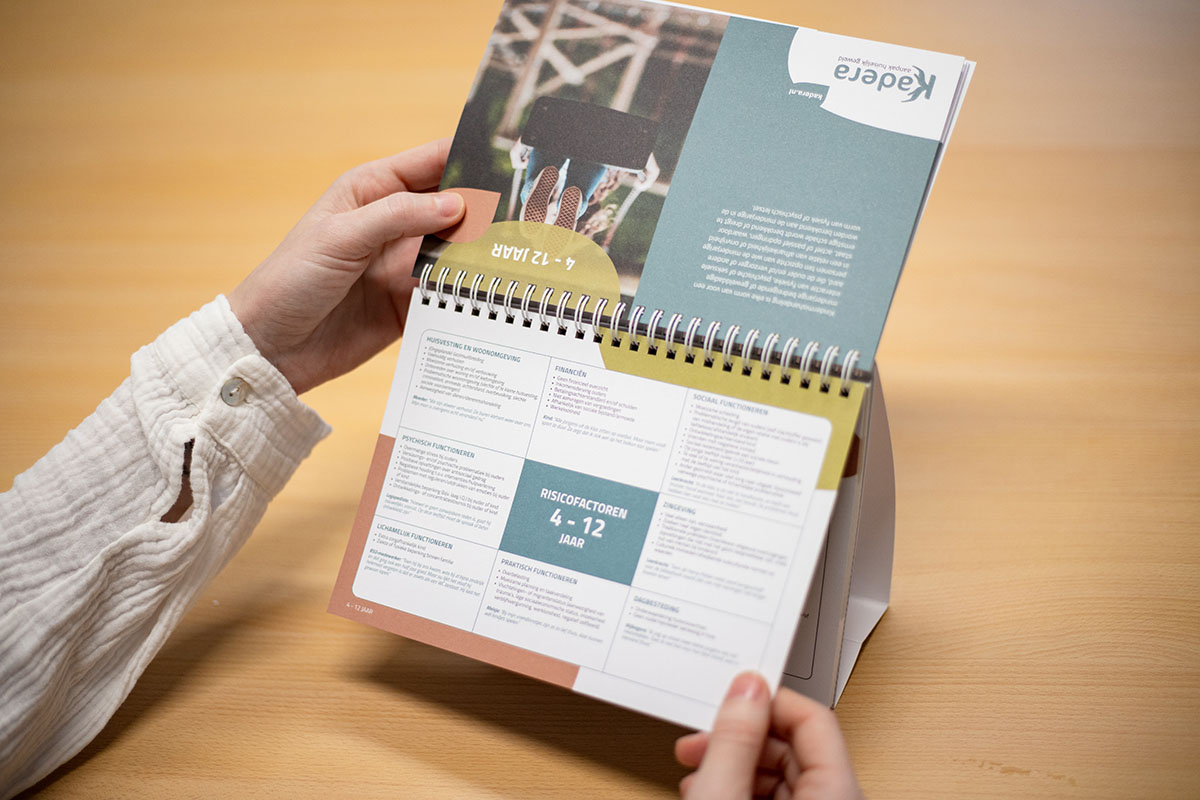
We use the terms victim and perpetrator to clarify signs and behavior. Experience shows that there is often reciprocity. Both victim and perpetrator can play a role in the development and perpetuation of domestic violence. In addition, a perpetrator can become or be a victim, and victims can become or be perpetrators.
You can also use this signs chart to work with the Protection Code. When you click on the signs that apply to the situation, they will be collected in a form that you can save as a PDF, and to which you can add information afterwards. This form also lists the subsequent steps of the Protection Code, and it provides space to record the results of these steps. For more information about the Protection Code and tools for using it, visit: www.nomasnomore.nl.
Hard copy signs chart
You can order a hard copy signs chart for Domestic Violence and Child Abuse by contacting info@nomasnomore.nl.
Types of domestic violence
On the signs chart, we distinguish between target groups, since signs and risk factors may differ per group. Furthermore, there are charts for specific types of violence, such as honor-related violence or elder abuse. These topics are not linked to age groups, but have their own place among the charts due to their specific nature.
Different forms of violence may also occur at the same time. Sometimes, signs are an indication of one specific type, and sometimes of several types. Therefore, we recommend always checking all charts that could possibly apply.
Focus areas
After filling out the signs charts, you can choose which focus areas apply. Focus areas are characteristics or circumstances that influence the way the violence presents and the way people handle it. After having clicked on the applicable focus areas, the specific signs and recommendations for these areas appear on the screen.
Violence by a professional
If you suspect violence within a relation between a professional and a patient, you must immediately contact the organization involved, or your superior. Working with the Protection Code does not apply in these cases.